Feel free to share!
Table of Contents 👈 Tap Here
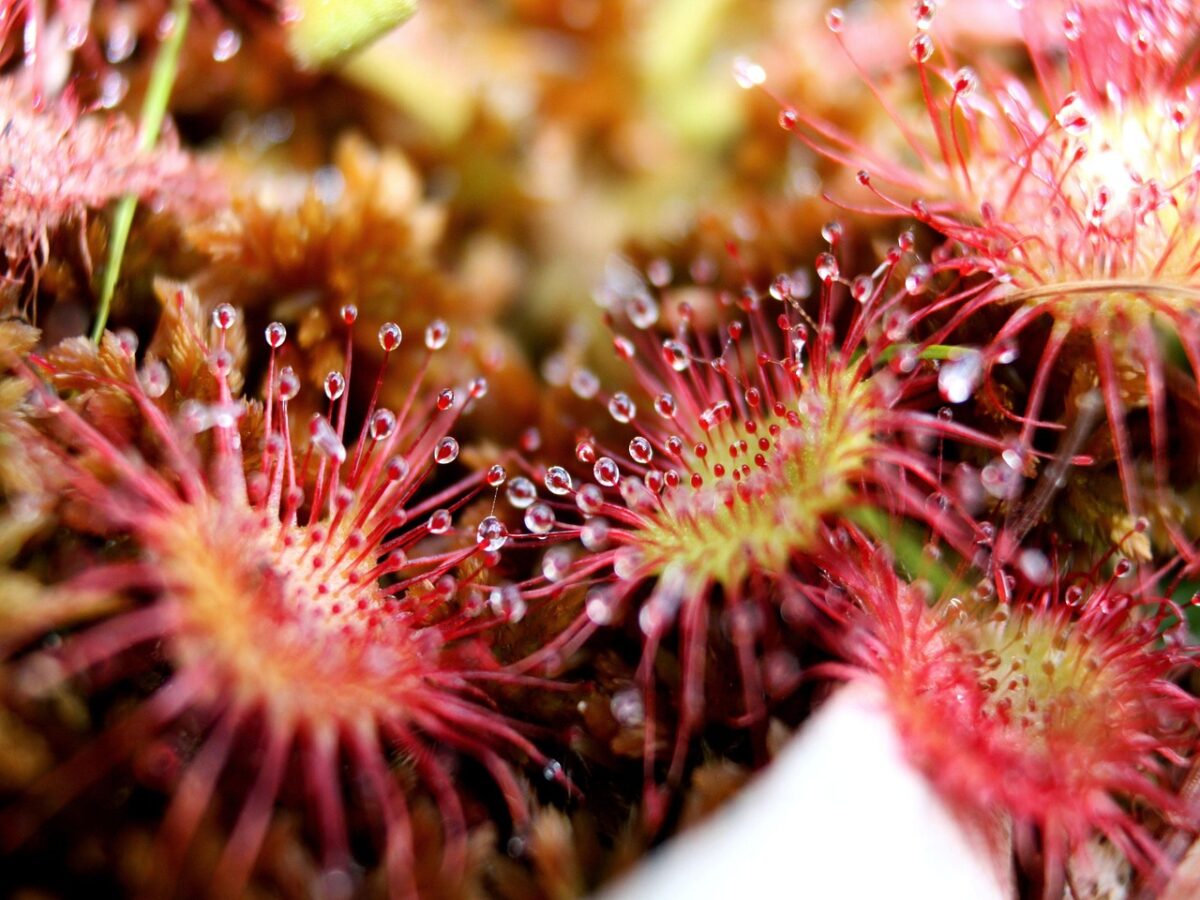
Sundew plants are fascinating carnivorous plants known for their sticky, dew-covered tentacles that trap insects with ease. Sundew Plant Care during winter is especially important, as cold temperatures, shorter days, and reduced insect activity can directly affect their health and survival. Proper seasonal care helps these unique plants conserve energy and stay resilient.
Sundew Plant Care becomes even more critical in winter, when dormancy, watering habits, and light exposure change significantly. In this guide, you’ll discover 20 powerful winter secrets designed to protect carnivorous plants from stress, prevent common mistakes, and help your sundew emerge strong, active, and ready for vigorous growth in the next season.
Sundew Plant Care
2. Understanding Sundew Dormancy
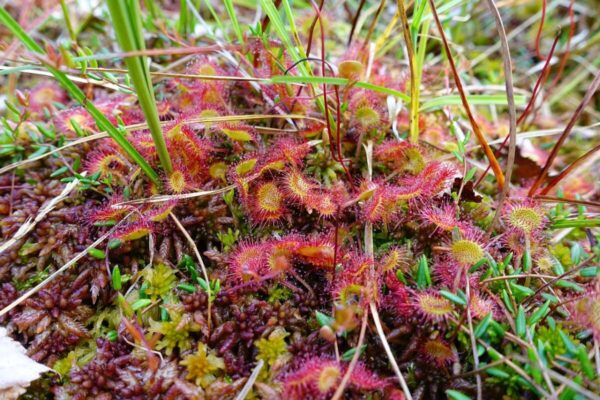
Many sundew species enter dormancy during winter, slowing down their metabolism. Recognizing dormancy is crucial because forcing growth during this period can harm the plant. Leaves may yellow or die back, which is natural. Respecting this stage helps your sundew conserve energy and return healthier in spring, making dormancy management a vital part of winter care.
3. Optimal Temperature Range
Sundews thrive in temperatures between 50°F and 70°F during winter. Exposure to frost or freezing conditions can damage delicate leaves. If grown indoors, keep them away from drafty windows or heaters that create temperature fluctuations. Maintaining a consistent environment ensures your plant survives the cold months without stress, promoting stronger growth once temperatures rise.
4. Light Requirements During Winter
Sundews need sufficient light even during winter to maintain healthy leaves. Add artificial grow lights if there isn’t much natural sunshine. Position lights about 6–12 inches above the plant for 12–14 hours a day. Adequate light prevents weak, leggy growth and ensures your sundew continues to produce its sticky, carnivorous leaves throughout the winter season.
5. Humidity Control
High humidity is essential for sundew health, especially in winter when indoor heating can dry the air. Using humidity trays, placing plants in terrariums, or employing small humidifiers helps maintain 50–70% humidity. Stable moisture prevents leaf drying and supports the plant’s natural functions, ensuring your sundew remains lush, vibrant, and fully capable of trapping insects when needed.
6. Watering Secrets
Winter watering should be reduced compared to the growing season. Use distilled or rainwater to avoid mineral buildup, which can harm sundew roots.Because overwatering can lead to root rot, keep the soil damp but not wet.Checking the soil weekly helps maintain the perfect balance, ensuring your sundew remains hydrated while avoiding water-related stress during cold months.
7. Soil Considerations
Sundews require nutrient-poor, well-draining soil, particularly in winter. A mix of sphagnum moss and perlite or sand works best, preventing excess moisture retention and root rot. Avoid regular potting soil, which can be harmful. Proper soil ensures healthy roots during dormancy, preparing your sundew for vigorous growth when temperatures and light levels increase in spring.
8. Container and Drainage Tips
Proper containers with drainage holes prevent waterlogging and root diseases. Shallow pots are ideal for sundews, as they support healthy root development. During winter, ensure excess water can escape easily to avoid stagnant moisture. Choosing the right pot and drainage system helps your plant survive low-light and low-growth periods safely, maintaining long-term health.
9. Feeding Adjustments
Feeding sundews should be minimized in winter due to slower metabolism. They may not require insects as frequently, and overfeeding can stress the plant. For indoor plants, rely on occasional small prey or let them catch natural insects. Proper feeding during dormancy helps conserve energy, ensuring your sundew stays healthy without forcing unnecessary growth in colder months.
10. Avoiding Mold and Fungal Issues
Cold, damp conditions increase the risk of mold and fungal infections. Remove dead leaves promptly and ensure good air circulation. Avoid misting excessively and keep the environment clean. Preventive care reduces disease risk, helping sundews maintain healthy foliage. By addressing these issues proactively, your plants remain resilient and vibrant throughout winter.
11. Pruning Dead or Dying Leaves
Winter pruning removes decayed or yellowing leaves, preventing disease and encouraging new growth. Use clean, sharp scissors and avoid cutting healthy tissue. This process improves airflow and light penetration to the remaining leaves, keeping the plant strong. Proper pruning ensures sundews stay attractive and ready for vigorous growth when the growing season returns.
12. Air Circulation Tips
Even in winter, air circulation is crucial to prevent fungal issues and support respiration. Avoid placing sundews in stagnant, enclosed spaces. Small fans or open windows on mild days can help, but avoid cold drafts. Proper airflow maintains leaf health and ensures your sundew continues to function effectively, even during dormancy.
13. Terrarium Setup for Winter
Terrariums are excellent for winter care, as they maintain humidity and warmth. Use clear glass containers with proper ventilation to avoid condensation buildup.Terrariums offer steady light and moisture while shielding plants from drafts.This setup creates an ideal microclimate, ensuring your sundews thrive indoors throughout the cold months without stress.
14. Avoiding Overwatering
Overwatering is one of the most common mistakes in winter care. Sundews need moisture but are sensitive to soggy conditions. Check the soil regularly and water only when the top layer begins to dry. Maintaining this balance prevents root rot, preserves plant energy during dormancy, and ensures your sundew emerges healthy and strong in spring.
15. Monitoring Plant Stress
Watch for signs of stress, including leaf discoloration, excessive wilting, or mold. Early detection allows corrective action, such as adjusting water, light, or humidity. Winter is a sensitive period, and careful monitoring helps prevent long-term damage. Understanding your sundew’s signals ensures it stays healthy and resilient through challenging cold months.
16. Repotting During Winter
Repotting should generally be avoided in winter unless absolutely necessary. If required, do it carefully using sterile tools to minimize stress. Choose fresh, well-draining soil and handle roots gently. Waiting until early spring is preferable, as repotting during dormancy can shock the plant and hinder recovery. Patience ensures better long-term growth.
17. Preventing Pest Infestations
Even in winter, sundews can attract pests such as aphids or spider mites. Inspect plants regularly and remove insects promptly. Natural remedies like neem oil or insecticidal soap are safe options. Maintaining clean soil and good airflow also reduces pest risks. Vigilance ensures your carnivorous plants remain healthy and pest-free during colder months.
18. Supplemental Light Tips
Supplemental lighting compensates for shorter days. Use full-spectrum LED or fluorescent lights, maintaining 12–14 hours daily. Adjust height and intensity to avoid leaf burn. Proper lighting supports photosynthesis, keeping your sundew active even during low sunlight periods. This ensures strong, colorful leaves and supports overall plant vitality through winter.
19. Indoor Placement Strategies
Place sundews near south-facing windows or bright indoor locations. Rotate plants periodically to ensure even light exposure. Avoid areas near heaters or cold drafts, as sudden temperature changes can stress the plant. Strategic placement balances warmth, light, and humidity, helping sundews remain healthy and attractive during winter months.
20. Preparing for Spring Transition
As winter ends, gradually increase light and water. Remove protective coverings and resume normal feeding schedules. Observe for new growth as a sign that your sundew is ready for active growth. Preparing carefully for spring ensures your plants transition smoothly, resulting in robust, thriving carnivorous plants ready for the growing season.
FAQS
1. What is the best environment for Sundew Plant Care?
Sundew Plant Care requires a humid environment with plenty of indirect sunlight. These carnivorous plants thrive in nutrient-poor, acidic soil, such as sphagnum moss or peat mix. Proper Sundew Plant Care ensures that the plant receives enough moisture and light without direct harsh sunlight, which can damage their delicate sticky leaves.
2. How often should I water my Sundew for proper Sundew Plant Care?
Watering is crucial in Sundew Plant Care. Always keep the soil moist but not waterlogged. Using distilled or rainwater is recommended because tap water can contain minerals harmful to the plant. Proper watering is a key part of Sundew Plant Care to ensure the leaves stay healthy and sticky for catching insects.
3. Can I fertilize my Sundew as part of Sundew Plant Care?
Fertilizing is generally not recommended in Sundew Plant Care because these plants naturally obtain nutrients from insects. Adding fertilizer can damage the roots or leaves. The best Sundew Plant Care approach is to allow the plant to catch small insects or feed it occasional tiny amounts of diluted insect food for healthy growth.
4. What type of soil is ideal for Sundew Plant Care?
The soil is a vital element in Sundew Plant Care. A mix of sphagnum moss and sand or perlite is perfect because it is acidic and well-draining. Regular garden soil or fertilizers can harm your plant. Good Sundew Plant Care ensures that the soil remains nutrient-poor, mimicking the natural environment of sundews.
5. How much sunlight is necessary for Sundew Plant Care?
Sunlight is essential in Sundew Plant Care. These plants prefer 4–6 hours of bright, indirect sunlight daily. Direct sunlight may burn their delicate leaves, while too little light can make the plant weak. Effective Sundew Plant Care balances sunlight exposure to maintain vibrant, healthy leaves and encourage natural insect-catching abilities.
6. How do I propagate Sundews for proper Sundew Plant Care?
Propagation is part of advanced Sundew Plant Care. You can propagate via leaf cuttings or seeds. Carefully cut a healthy leaf and place it on moist soil. Maintain high humidity and indirect light. Following these Sundew Plant Care propagation tips ensures that new plants grow successfully without causing stress to the parent plant.
7. What common pests affect Sundews in Sundew Plant Care?
Even carnivorous plants need protection. Common pests like aphids, spider mites, and fungus gnats can affect Sundew Plant Care. Inspect your plant regularly, remove pests manually, or use safe insecticidal solutions. Proper Sundew Plant Care includes monitoring for these pests to prevent damage and maintain the plant’s health and natural insect-catching abilities.
8. How do I handle winter care in Sundew Plant Care?
Winter care is crucial in Sundew Plant Care because some species go dormant. Reduce watering and provide cooler temperatures. Keep the plant in indirect sunlight indoors to survive cold months. Maintaining proper Sundew Plant Care during winter ensures the plant remains alive, healthy, and ready to grow vigorously once the warm season returns.
9. Can I grow Sundews indoors as part of Sundew Plant Care?
Yes, indoor growth is possible with proper Sundew Plant Care. Ensure adequate light using a sunny windowsill or grow lights, maintain high humidity, and use the correct soil mix. Indoor Sundew Plant Care requires careful attention to water quality, light, and temperature to mimic the plant’s natural habitat and promote healthy growth.
10. How often should I clean my Sundew as part of Sundew Plant Care?
Cleaning your Sundew is an important step in Sundew Plant Care. Remove dead leaves or trapped insects gently to prevent mold and maintain leaf efficiency. Proper Sundew Plant Care involves inspecting the plant weekly, ensuring cleanliness, and providing optimal conditions so that the plant can focus energy on growth and natural insect trapping.
How do I prevent mold in Sundew Plant Care?
Mold can be a common issue in Sundew Plant Care if humidity is too high or water stagnates. To prevent it, use well-draining soil, avoid overwatering, and ensure good airflow around the plant. Following proper Sundew Plant Care practices keeps leaves healthy, sticky, and free from fungal infections, allowing the plant to thrive naturally.
12. Is it necessary to feed insects for Sundew Plant Care?
Feeding insects can enhance Sundew Plant Care, especially indoors where natural prey is scarce. Small insects like fruit flies or gnats provide nutrients and encourage leaf growth. One or two insects each week is adequate; overfeeding is not necessary. Proper Sundew Plant Care balances natural feeding habits with indoor maintenance for strong, healthy plants.
13. Can I use artificial lighting in Sundew Plant Care?
Artificial lighting is often used in Sundew Plant Care for indoor setups. Full-spectrum LED or fluorescent grow lights provide the light intensity necessary for photosynthesis. Maintaining 12–16 hours of light daily mimics natural conditions. Effective Sundew Plant Care with artificial lighting ensures the plant remains vibrant and produces sticky leaves capable of catching insects.
14. How do I repot my Sundew as part of Sundew Plant Care?
Repotting is an important step in advanced Sundew Plant Care. Choose a slightly larger container with acidic, nutrient-poor soil. Gently remove the plant from its old soil, keeping the roots intact, and place it in fresh soil. Regular repotting following Sundew Plant Care guidelines promotes healthy growth and prevents root rot or overcrowding.
15. What is the ideal humidity level for Sundew Plant Care?
Maintaining proper humidity is essential in Sundew Plant Care. Most sundews thrive in 50–70% humidity. Using a humidity tray or enclosed terrarium can help achieve this indoors. Proper Sundew Plant Care with optimal humidity ensures sticky leaves remain effective at trapping insects while preventing leaf drying and stress, supporting healthy, sustained growth.