Feel free to share!
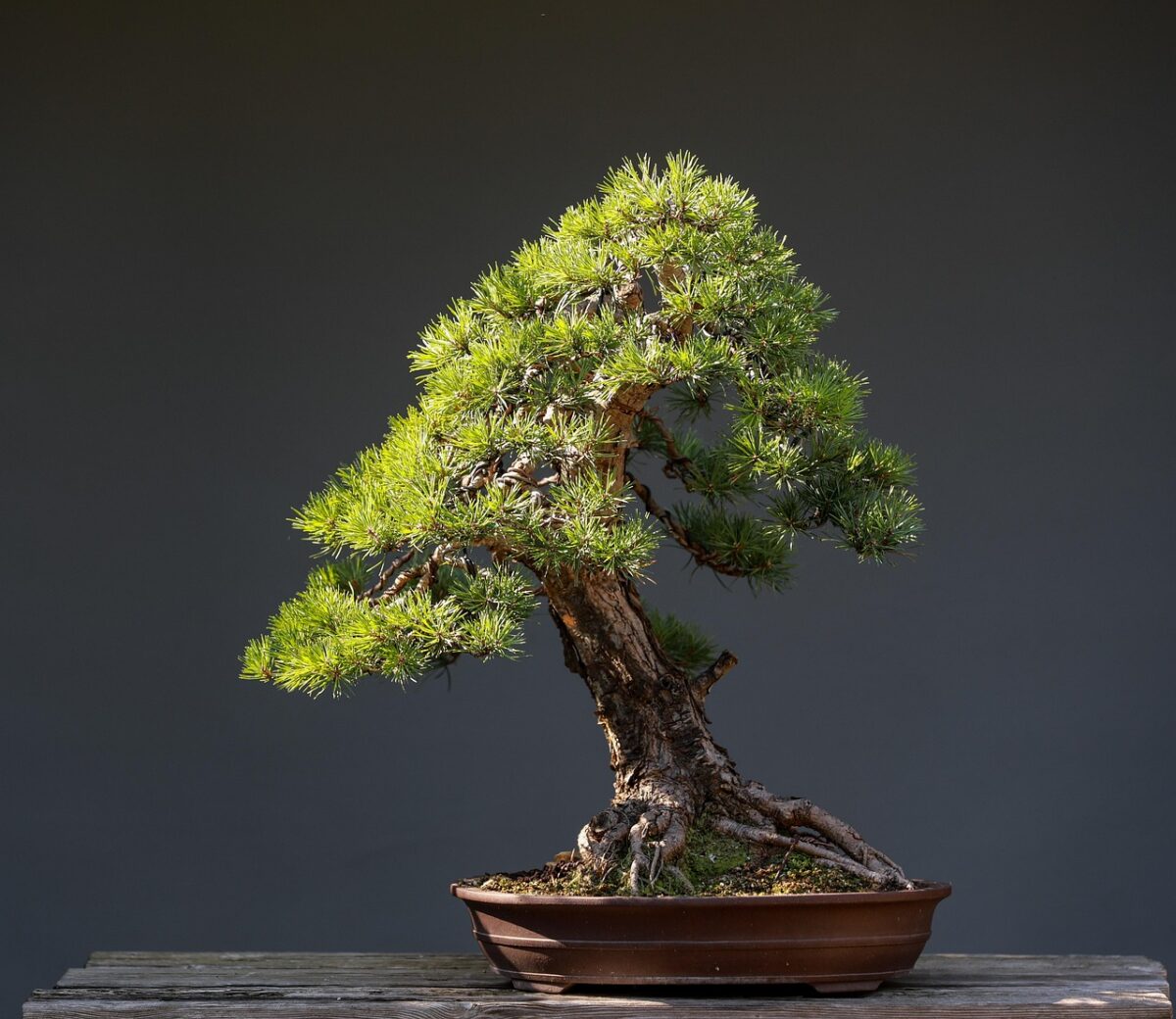
A thick, sturdy trunk is the hallmark of a mature and visually stunning bonsai. Trunk thickening not only enhances the aesthetic appeal but also strengthens the tree, making it healthier and more resilient. Achieving a wide, attractive trunk requires patience, careful techniques, and proper tools. In this guide, we cover 20 expert methods to help your bonsai trunk grow thicker naturally and safely.
Table of Contents 👈 Tap Here
Bonsai Trunk Thickening
1. Choosing the Right Bonsai Species for Trunk Thickening
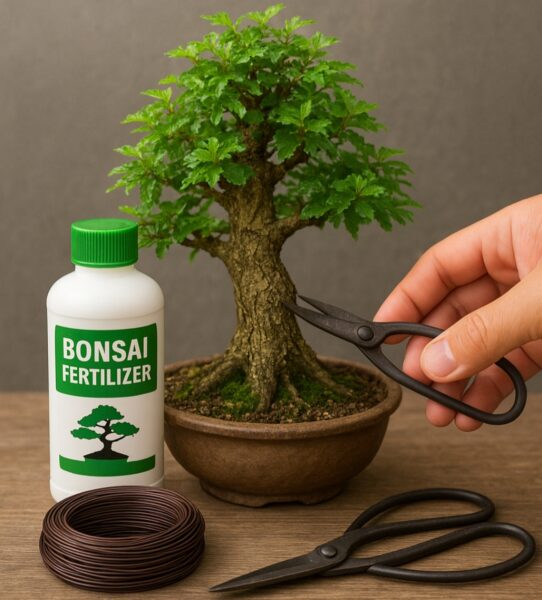
Not all bonsai species respond equally to trunk thickening techniques. Fast-growing species like Ficus, Juniper, Pine, and Maple are ideal for beginners, as they can thicken more quickly and handle pruning and wiring. Using the right species gives you a strong foundation for your techniques. Tools like bonsai pots and pruning scissors are essential for initial care and setup.
2. Selecting the Right Age of Tree
Young bonsai trees are more adaptable, making it easier to encourage trunk growth. Older trees, while mature, respond slower and may need more careful techniques. Beginners should start with 2–5-year-old saplings for the best results. Essential tools include bonsai shears for shaping and a root rake for inspecting the root system, ensuring healthy trunk support.
3. Choosing a Pot and Soil for Growth
The size of the pot directly influences trunk thickening. Using a slightly larger pot allows the roots to expand, promoting a thicker trunk. A well-draining soil mix prevents root rot while providing nutrients. Required tools include bonsai soil mix, quality pots, and a watering can to ensure consistent moisture for optimal growth.
4. Trunk Chop Method
Trunk chopping encourages the tree to produce stronger, thicker secondary growth. Cutting the trunk at the right height redirects energy toward thickening the base. Use a sharp saw and pruning knife for precise cuts. Always seal cuts with bonsai sealant to prevent infections. This method requires patience, as noticeable thickening may take months or even years.
5. Sacrifice Branch Technique
A sacrifice branch is left to grow freely while the rest of the tree is pruned. Over time, it contributes energy to the trunk, increasing thickness. After the trunk strengthens, the branch can be removed. Tools needed include bonsai wire for support and pruning scissors. This method combines patience with strategic planning for natural trunk development.
6. Increasing Nutrients and Fertilizer
Providing the tree with high-nitrogen fertilizer accelerates growth and thickens the trunk naturally. Use organic fertilizers for long-term soil health and avoid chemical overloads. Essential tools include a watering can for even distribution and measuring tools to ensure correct dosages. Nutrient-rich soil, combined with proper watering, creates ideal conditions for trunk expansion.
7. Defoliation for Faster Growth
Removing select leaves allows the tree to focus energy on trunk and branch growth. This technique works best in the growing season, especially for deciduous bonsai. Tools include leaf scissors and gloves to prevent damage. Defoliation should be done carefully to avoid stressing the tree, but when done correctly, it significantly accelerates trunk thickening.
8. Trunk Bending and Wiring
Wiring isn’t just for shaping branches—it also strengthens the trunk. By gently bending and wiring the trunk, you can create tension that encourages thicker growth over time. Tools include bonsai wire, wire cutters, and pliers. Always monitor wired areas to avoid cutting into the bark, as proper technique ensures both safety and effective growth.
9. Root Pruning and Repotting
Healthy roots are the backbone of a strong trunk. Regular root pruning and repotting help maintain a compact, efficient root system while stimulating trunk thickening. Tools needed include a root rake, bonsai scissors, and fresh soil. This method also helps prevent the tree from becoming pot-bound, ensuring continuous nutrient absorption for optimal trunk development.
10. Jin and Shari Techniques (Optional)
Jin (dead branches) and Shari (trunk carving) emphasize the trunk’s character, making it appear thicker and more aged. While not directly increasing thickness, these techniques create a visual impression of strength. Tools include chisels, carving knives, and wire brushes. Use carefully, as overdoing deadwood techniques can harm the tree if not practiced by experienced bonsai enthusiasts.
11. Proper Sunlight Exposure
Sunlight fuels photosynthesis, which is essential for healthy trunk growth. Most bonsai species require 6–8 hours of direct sunlight daily. Tools like grow lights or sunlight timers can help indoor bonsai. Consistent light exposure ensures steady growth, while too little sunlight slows development. Monitoring sunlight is key to creating a trunk that grows thick naturally over time.
12. Temperature and Climate Control
Temperature affects metabolic processes, directly impacting trunk thickening. Most bonsai species thrive between 60–85°F (16–29°C). Humidity trays and thermometers help maintain optimal conditions, especially indoors. Seasonal adjustments, such as protecting tropical bonsai from frost, ensure consistent growth. Proper environmental management promotes strong, wide trunks and overall tree health.
13. Watering Schedule
Watering is crucial for trunk thickening. Consistent moisture promotes nutrient transport and cell expansion. Avoid overwatering, which can rot roots, and underwatering, which stresses the tree. Tools include a watering can and moisture meter. A balanced watering schedule, combined with good soil, helps the trunk gain strength and thickness steadily.
14. Pruning for Trunk Emphasis
Selective pruning redirects energy to the trunk instead of branches. By carefully removing smaller branches or leaves, the tree invests more in strengthening the base. Tools needed include pruning shears and scissors. Regular but strategic pruning accelerates trunk thickening while maintaining the bonsai’s overall aesthetic balance.
15. Using Growth Hormones (Optional)
Safe application of plant growth hormones can stimulate cell division and promote thicker trunks. Tools include growth hormone powder or liquid and a small brush for precise application. Hormones should be used sparingly, only on healthy bonsai, and during active growth seasons. Overuse can harm the tree, so follow instructions carefully for effective results.
16. Grafting Techniques
Grafting allows the addition of new branches or roots to support trunk thickening. Tools include grafting knives, grafting tape, and sealant. While advanced, this technique can dramatically improve trunk size and shape when done properly. Grafting requires patience and practice, but it’s an expert method to achieve rapid trunk development and enhanced visual appeal.
17. Trunk Fusion
Fusing two trunks creates a single, wider trunk over time. Bonsai wires, grafting tape, and pliers are essential tools. This technique takes months or years, but it can produce visually impressive results. Ensure both trunks are healthy and compatible before attempting fusion. This method is often used by experienced bonsai artists to create a bold, strong base.
18. Pot Bound Growth Method
Keeping bonsai slightly root-bound in a smaller pot encourages trunk thickening, as the tree diverts energy to the base. Tools include bonsai pots, soil mix, and a trowel. This method requires careful monitoring to prevent root stress. When executed correctly, it naturally stimulates the trunk to become thicker while maintaining healthy growth.
19. Use of Fertilizer Spikes
Slow-release fertilizer spikes provide consistent nutrients, promoting steady trunk thickening without overfeeding. Tools needed include spikes and a small trowel. Spikes reduce the risk of nutrient burn while supporting long-term trunk growth. They are especially useful for beginners who want a low-maintenance method to encourage a wider trunk.
20. Patience and Seasonal Timing
Finally, the most important factor is patience. Trunk thickening takes time, often years, and varies by species, climate, and care. Keeping a growth journal and tracking seasonal growth patterns helps optimize results. Tools include a calendar and notebook. Consistent care, along with the techniques above, ensures a strong, thick trunk and a visually stunning bonsai.
Thickening your bonsai trunk is a journey that blends science, art, and patience. Using the right techniques, tools, and care strategies ensures natural, healthy growth while creating a visually striking tree. By following these 20 expert-approved methods, you can achieve a strong, wide trunk that elevates your bonsai to a mature, professional look.
FAQS
1. What is Bonsai Trunk Thickening?
Bonsai Trunk Thickening is the process of making a bonsai tree trunk appear wider and more mature. This technique gives the bonsai a more realistic and aged look. By using specific pruning, wiring, and cultivation methods, bonsai enthusiasts can enhance the girth of the trunk, improving the tree’s overall aesthetic appeal and visual impact in miniature landscapes.
2. Why is Bonsai Trunk Thickening important?
Bonsai Trunk Thickening is essential because a thicker trunk creates the illusion of age and stability, which is a hallmark of traditional bonsai aesthetics. Without trunk thickening, a bonsai may look fragile or juvenile. By focusing on trunk development, growers can balance proportion between the branches and the trunk, creating a harmonious and visually appealing bonsai tree.
3. How long does Bonsai Trunk Thickening take?
The time required for Bonsai Trunk Thickening depends on the species of the tree, its age, and care practices. Generally, it can take several years of consistent pruning, root management, and leaf reduction to see noticeable results. Patience and proper techniques are crucial, as rushing trunk thickening can harm the tree or lead to unnatural growth patterns.
4. What tools are needed for Bonsai Trunk Thickening?
For effective Bonsai Trunk Thickening, essential tools include pruning shears, branch cutters, concave cutters, root scissors, and wiring materials. Additionally, organic fertilizers and growth stimulants help strengthen the trunk. Using these tools correctly ensures healthy thickening without damaging the bonsai. Regular maintenance with the right tools promotes uniform growth and a robust, wider trunk over time.
5. Can Bonsai Trunk Thickening damage the tree?
Improper techniques in Bonsai Trunk Thickening can stress or injure the tree. Over-pruning, incorrect wiring, or excessive growth restriction may weaken branches or roots. However, when done carefully with proper knowledge, trunk thickening encourages stronger trunk development, improves nutrient distribution, and enhances the overall structure, giving the bonsai a mature, natural appearance without compromising its health.
6. What role does pruning play in Bonsai Trunk Thickening?
Pruning is vital for Bonsai Trunk Thickening because it directs the tree’s energy towards the trunk rather than excessive foliage growth. Strategic pruning encourages nutrient allocation to the trunk, promoting thicker and sturdier development. By regularly removing weak or unnecessary branches, bonsai enthusiasts can stimulate growth in specific areas, gradually creating a trunk that appears aged and powerful.
7. Does Bonsai Trunk Thickening work for all species?
Not all species respond equally to Bonsai Trunk Thickening. Fast-growing species like ficus, juniper, and maple are ideal because they respond quickly to pruning and cultivation techniques. Slow-growing trees may require many years to achieve significant trunk thickening. Choosing the right species and understanding its growth habits is crucial for achieving the best trunk thickening results.
8. How does wiring help in Bonsai Trunk Thickening?
Wiring aids Bonsai Trunk Thickening by guiding the shape and orientation of branches, which indirectly influences trunk strength. Proper wiring helps balance branch distribution, allowing the trunk to support the overall structure. By directing energy flow and ensuring symmetry, wiring complements pruning and fertilization, contributing to a thicker, healthier, and more visually striking bonsai trunk over time.
9. Can fertilization speed up Bonsai Trunk Thickening?
Yes, careful fertilization can accelerate Bonsai Trunk Thickening. Using organic or balanced fertilizers supplies essential nutrients that enhance trunk growth and overall tree health. Fertilizers high in nitrogen promote foliage, while phosphorus and potassium strengthen roots and trunk. Combined with proper pruning and watering, fertilization ensures consistent trunk thickening while maintaining a strong and vibrant bonsai tree.
10. Should I repot my bonsai for trunk thickening?
Repotting is beneficial for Bonsai Trunk Thickening because it stimulates root growth, which directly impacts trunk girth. By carefully trimming roots and placing the tree in slightly larger soil, you encourage stronger nutrient absorption and thicker trunk development. Regular repotting combined with proper soil composition ensures the bonsai trunk grows robustly without becoming root-bound or weakened.
11. How does leaf pruning help Bonsai Trunk Thickening?
Leaf pruning is essential for Bonsai Trunk Thickening because it reduces energy consumption by leaves, redirecting growth toward the trunk. By thinning or trimming leaves, you allow sunlight and nutrients to concentrate on trunk development. This technique gradually increases trunk girth while keeping the tree proportionate, healthy, and aesthetically balanced, enhancing the overall impact of your bonsai.
12. Can Bonsai Trunk Thickening be achieved naturally?
Yes, Bonsai Trunk Thickening can occur naturally over time if a bonsai is grown in optimal conditions. However, natural thickening is slow and may not produce the desired aesthetic shape. Combining natural growth with pruning, wiring, and fertilization accelerates trunk thickening, providing a balanced, aged appearance without compromising the tree’s health or vitality.
13. How do environmental factors affect Bonsai Trunk Thickening?
Environmental conditions such as sunlight, water, temperature, and humidity significantly influence Bonsai Trunk Thickening. Proper light exposure promotes photosynthesis, while adequate watering and humidity support nutrient transport to the trunk. Temperature variations affect growth cycles, making it essential to maintain stable conditions. Optimizing these factors ensures healthy, gradual trunk thickening and strong structural development.
14. Can I thicken the trunk of a bonsai quickly?
Quick methods for Bonsai Trunk Thickening exist but may risk tree health. Techniques like trunk chopping or sacrificial branches can accelerate thickening temporarily. However, sustainable results require patience, consistent pruning, wiring, and proper care. Rapid trunk thickening without following proper procedures may lead to imbalance, weak branches, or disease, so gradual and careful techniques are always recommended.
15. How do I maintain a thickened bonsai trunk?
After achieving Bonsai Trunk Thickening, maintenance is key to preserving its structure. Regular pruning, wiring, and fertilization prevent overgrowth and maintain the trunk’s shape. Monitoring for pests, diseases, or nutrient deficiencies ensures long-term health. Consistent care allows your bonsai to retain a thick, sturdy trunk that looks naturally aged while remaining strong, vibrant, and visually captivating.