Feel free to share!
Table of Contents 👈 Tap Here
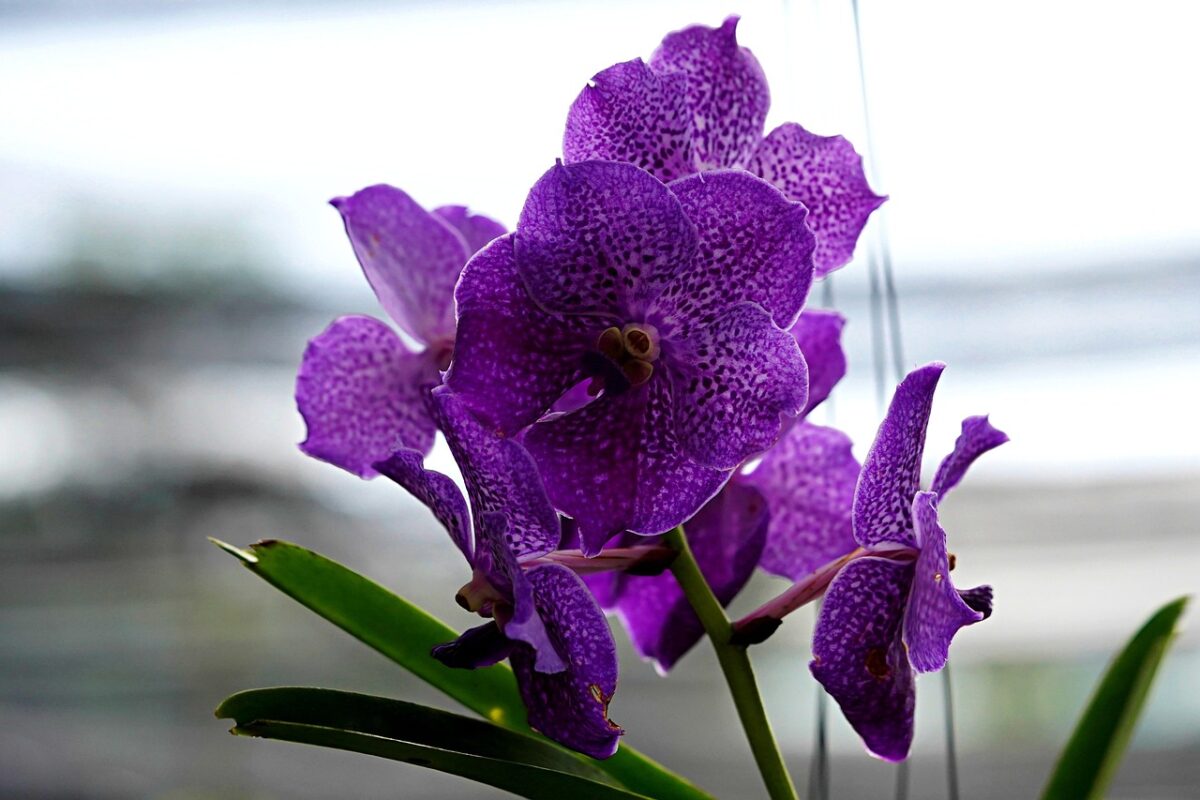
Orchid enthusiasts often panic when their plant suddenly shows signs of stress, especially when the leaves appear shriveled or dull. A Dehydrated Vanda Orchid is particularly sensitive because it relies heavily on moisture and airflow to stay healthy. When hydration levels drop, the plant quickly reacts, making it essential to identify and fix the issue before the roots weaken further.
Restoring your Vanda’s strength is absolutely possible with the correct approach. By adjusting watering frequency, improving humidity, and correcting environmental conditions, you can help your orchid regain vitality. This introduction leads you into 20 proven tips that will guide you step-by-step, ensuring your Vanda recovers efficiently and returns to producing vibrant roots, firm leaves, and beautiful blooms.
What Is Vanda Orchid Dehydration?
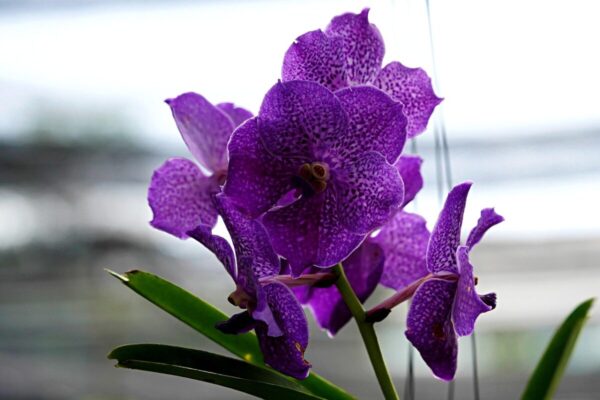
Dehydration in Vanda orchids occurs when the plant loses more water than it receives through its exposed aerial roots. Because Vandas naturally grow in bright, airy environments, they rely heavily on consistent moisture. When this balance is disturbed, the roots dry out, and the plant begins to show visible symptoms of stress.
Why Vandas Dehydrate Faster Than Other Orchids
Unlike potted orchids that retain moisture in bark or moss, Vandas grow in baskets or hang freely, exposing their roots to constant airflow. This setup dries the roots faster, especially in hot climates. Without regular hydration, the plant cannot absorb nutrients properly, leading to wrinkled leaves, stalled growth, and weakened overall health.
Common Causes of Dehydrated Vanda Orchids
Underwatering or Irregular Watering
Vandas require more water than most orchids, especially during warm seasons. When watering is inconsistent, the aerial roots dry out and become brittle. This limits the plant’s ability to absorb moisture, resulting in progressive dehydration. Regularly soaking and misting helps maintain proper hydration levels essential for healthy growth.
Low Humidity Levels
Low humidity is one of the leading triggers of dehydration in Vanda orchids. Because their roots are not shielded by soil, they lose moisture quickly in dry air. Humidity below 50% can cause significant stress. Increasing humidity through trays, humidifiers, or daily misting helps the plant maintain water levels.
Excess Sun Exposure or Heat
While Vandas need bright light, intense direct sunlight or high temperatures can quickly dehydrate them. Prolonged exposure to extreme heat evaporates moisture from the leaves and roots. Providing filtered light or shifting the plant to a partially shaded area prevents excess water loss and helps maintain its natural hydration balance.
Damaged or Dead Roots
When roots become dry, hollow, or brittle, they lose the ability to take in moisture. Damaged roots significantly accelerate dehydration, especially if the plant has been underwatered for long periods. Regular inspection and trimming of unhealthy roots allow healthier ones to absorb water effectively during recovery.
Symptoms of a Dehydrated Vanda Orchid
Wrinkled or Folded Leaves
Wrinkled leaves are one of the earliest signs of dehydration in Vanda orchids. When moisture levels drop, the cells inside the leaves shrink, causing folds and lines to appear. This symptom should never be ignored, as it indicates the roots are not receiving enough water to support the plant’s foliage.
Soft, Limp, or Droopy Leaves
Dehydrated Vanda leaves often feel soft or rubbery to the touch. They may droop from the base, signaling a lack of internal water pressure. This condition becomes more noticeable during hot weather. Immediate hydration is needed to prevent long-term damage and encourage the leaves to regain their firmness.
Shriveled, Dry, or Gray Roots
Healthy Vanda roots are thick, firm, and green when wet. In contrast, dehydrated roots appear gray, shriveled, or brittle. These roots cannot efficiently transport water, which intensifies the plant’s dehydration. Observing root conditions frequently can help catch early warning signs before the plant becomes severely stressed.
20 Best Proven Tips to Save a Dehydrated Vanda Orchid
1. Soak the roots in room-temperature water for 30 minutes daily to deeply hydrate the plant.
2. Use lukewarm water to improve absorption and reduce root shock.
3. Mist aerial roots twice daily to maintain moisture.
4. Increase humidity to 60–80% for faster recovery.
5. Place the plant on a humidity tray to keep roots moist longer.
6. Water daily during recovery, especially in warm climates.
7. Trim dead roots so healthy ones can function efficiently.
8. Feed with weak orchid fertilizer weekly for growth support.
9. Use B1 or Superthrive to reduce shock and promote recovery.
10. Provide partial shade, preventing further moisture loss.
11. Increase air circulation but avoid harsh winds.
12. Use rainwater or RO water to prevent mineral buildup.
13. Try the vase method to keep roots hydrated for long periods.
14. Use an Epsom salt soak for magnesium boost and recovery.
15. Do not repot during dehydration, as stress increases.
16. Clean roots gently to remove buildup and improve absorption.
17. Inspect for pests that interfere with hydration.
18. Use rooting hormones to encourage new root growth.
19. Provide steady daily care rather than irregular watering.
20. Monitor progress weekly and adjust routine gradually.
How Long Does Recovery Take?
Recovery time depends on the severity of dehydration. Mild dehydration often improves within two weeks with proper care. Moderate dehydration may take four to six weeks and requires consistent hydration. Severe cases take longer, but many Vandas bounce back with patience and regular root-soaking routines.
How to Prevent Future Dehydration
Maintaining a stable watering schedule is the best prevention strategy. Vandas thrive with daily misting and frequent soaking, especially in hot weather. Supporting them with proper humidity, airflow, and bright filtered light ensures their roots remain healthy. A quick daily check helps catch early signs before dehydration becomes severe.
FAQs About Dehydrated Vanda Orchid
1. What is a Dehydrated Vanda Orchid?
A Dehydrated Vanda Orchid is a Vanda plant that has lost significant moisture from its roots, leaves, and tissues due to insufficient watering, low humidity, or excessive heat. A Dehydrated Vanda Orchid shows wrinkled leaves, limp roots, and slow growth. Understanding how a Dehydrated Vanda Orchid behaves helps growers revive it correctly.
2. What are the signs of a Dehydrated Vanda Orchid?
Common signs of a Dehydrated Vanda Orchid include wrinkled leaves, shriveled aerial roots, floppy growth, and dull leaf color. A Dehydrated Vanda Orchid may also show slow blooming or no blooming at all. When the roots turn papery, the Dehydrated Vanda Orchid needs immediate rehydration to prevent long-term damage.
3. What causes a Dehydrated Vanda Orchid?
A Dehydrated Vanda Orchid is usually caused by underwatering, low humidity, poor air circulation, and high summer temperatures. When a Dehydrated Vanda Orchid receives too much direct heat without enough moisture, the plant rapidly dries. Incorrect potting or open baskets can also lead to a Dehydrated Vanda Orchid if watering isn’t frequent enough.
4. How do I rehydrate a Dehydrated Vanda Orchid?
To revive a Dehydrated Vanda Orchid, soak the entire root system in lukewarm water for 20–40 minutes daily until roots plump up. A Dehydrated Vanda Orchid also benefits from misting, higher humidity, and shade. Avoid fertilizers while treating a Dehydrated Vanda Orchid, as stressed roots may burn easily.
5. How long does it take to revive a Dehydrated Vanda Orchid?
The recovery of a Dehydrated Vanda Orchid depends on damage level. A mildly Dehydrated Vanda Orchid may improve within one week, while a severely Dehydrated Vanda Orchid might take several months. Consistent watering, humidity above 60%, and filtered light help the Dehydrated Vanda Orchid regain strength steadily.
6. Can a Dehydrated Vanda Orchid still bloom?
A Dehydrated Vanda Orchid can bloom again, but only after fully recovering. Blooms may not appear for months because a Dehydrated Vanda Orchid first prioritizes repairing roots and leaves. Once the Dehydrated Vanda Orchid stabilizes, it can produce healthy spikes in the next growth cycle.
7. Should I cut the roots of a Dehydrated Vanda Orchid?
Never cut healthy roots of a Dehydrated Vanda Orchid, even if they look dry. Remove only rotten, mushy parts. A Dehydrated Vanda Orchid needs as many functioning roots as possible. Trimming too much root tissue weakens the Dehydrated Vanda Orchid, slowing its ability to absorb water during recovery.
8. What humidity level does a D Vanda Orchid need?
A D Vanda Orchid thrives in 60–80% humidity. Increasing humidity helps a D Vanda Orchid absorb moisture through aerial roots. Using humidifiers, pebble trays, or regular misting creates a microclimate that supports the D Vanda Orchid and prevents further dehydration as it heals.
9. Should I fertilize a D Vanda Orchid?
Avoid fertilizing a D Vanda Orchid until roots rehydrate. Fertilizer salts can burn the weak root system of a D Vanda Orchid, worsening stress. After the D Vanda Orchid shows strong green root tips again, resume feeding with diluted orchid fertilizer.
10. How can I prevent a Dehydrated Vanda Orchid?
To prevent a D Vanda Orchid, maintain consistent watering, high humidity, proper airflow, and bright indirect light. Heat waves often cause a D Vanda Orchid, so increase misting during hot seasons. Monitoring root color and hydration helps avoid another D Vanda Orchid episode.