Feel free to share!
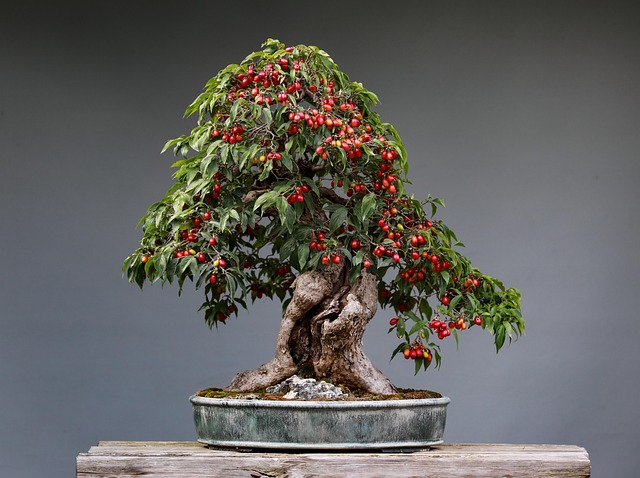
Transforming a large vase-grown tree into a Large Bonsai tree is a rewarding process that combines art, patience, and horticultural skill. Bonsai is not merely about reducing size; it is about creating harmony between nature and human creativity. With careful pruning, shaping, and attention to root and branch development, even a full-grown vase tree can evolve into a beautiful, miniature masterpiece that reflects years of care.
Table of Contents 👈 Tap Here
Many gardeners wonder if large vase trees can truly become bonsai. The answer is yes, but it requires understanding the tree’s natural growth patterns, consistent maintenance, and slow structural modification. Gradual reduction of roots and branches, combined with proper soil, sunlight, and watering practices, will ensure the tree remains healthy while taking on the characteristic form and balance of a mature bonsai.
2. Understanding Bonsai Basics
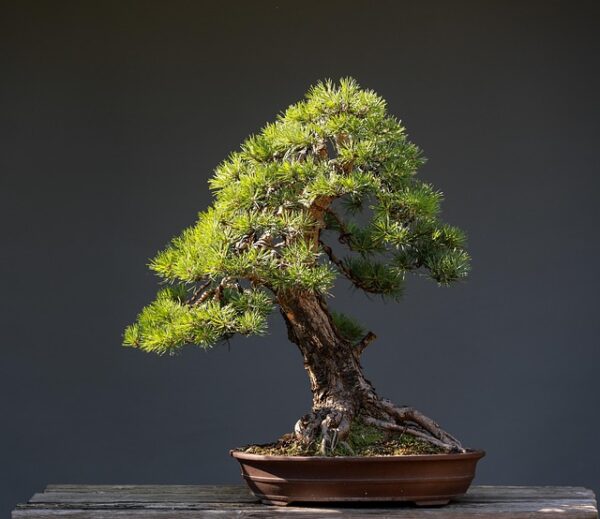
Bonsai philosophy emphasizes creating miniature trees that express age, beauty, and natural balance. The practice blends artistic design with biological understanding, focusing on patience, observation, and respectful shaping. Each tree is unique, and following bonsai principles helps preserve the natural character while producing a visually pleasing, scaled-down version of a full-sized tree.
Growth control is essential in bonsai and involves manipulating roots, branches, and foliage to limit size while maintaining vigor. Careful pruning and wiring encourage compact development, promote back-budding, and enhance aesthetic proportions. By controlling growth rates, you can create a tree that looks naturally aged and proportionate, even when working from a larger vase-grown tree with unrestricted initial growth.
Root and branch management plays a key role in the overall appearance and health of the bonsai. Healthy roots provide stability and nutrient uptake, while branch selection and shaping define the visual form. Properly timed pruning, wiring, and positioning of both roots and branches ensures a harmonious structure and supports the tree’s long-term vitality, making it easier to maintain in bonsai form for years.
3. Choosing the Right Vase Tree for Bonsai
Selecting the right tree species is critical for successful transformation. Some species, like Ficus, Jade, Chinese Elm, Banyan, or Schefflera, respond well to shaping and pruning. These trees are resilient, have flexible branches, and are capable of back-budding, which is essential for developing a dense and visually appealing canopy over time.
Choosing a healthy starter tree ensures long-term success. Inspect the tree for vibrant leaves, firm bark, and strong root structure. Avoid plants with brittle branches, signs of disease, or pest infestations. A robust and balanced tree adapts better to root reduction, branch shaping, and transplanting, giving you a strong foundation to build a beautiful bonsai that will thrive for many years with proper care.
4. Tools You Need for the Process
High-quality bonsai tools make shaping and maintenance much easier and safer for the tree. Essential tools include pruning shears, branch cutters, knob cutters, root hooks, and wire cutters. Proper tools allow precise cuts, reduce stress on the tree, and support controlled shaping, enabling beginners and experienced enthusiasts to work efficiently without damaging delicate branches or roots.
Soil is another critical factor in bonsai success. A fast-draining, mineral-rich mix, often composed of akadama, pumice, and lava rock, promotes healthy root growth and prevents waterlogging. Using regular garden soil can suffocate roots and lead to rot. Choosing the right soil encourages compact root development, essential for controlling growth and maintaining the tree’s miniature form while supporting long-term health.
Bonsai pots are both functional and aesthetic. Start with a training pot to allow room for root adjustment and growth stabilization. Later, transfer the tree to a shallow display pot that enhances its appearance. Proper pot selection influences root distribution, tree stability, and overall visual balance, providing both practicality and elegance for your bonsai masterpiece.
5. Common Mistakes to Avoid
Over-cutting roots can cause severe stress or even kill the tree, so it’s essential to trim gradually and carefully. Incorrect soil selection, such as dense garden soil, can cause root rot, poor drainage, and stunted growth. Excessive wiring or aggressive shaping may damage branches, leaving scars and weakening structural integrity. Awareness and patience prevent long-term issues and promote healthy development.
6. Before & After Expectations
Transforming a large vase tree into a bonsai is a slow process, typically taking one to three years depending on species, climate, and care routine. Initial stages focus on root reduction, structural pruning, and branch shaping, while later years emphasize refinement of foliage density and overall aesthetics. Patience is essential, as bonsai is an ongoing journey rather than a quick project.
7. Final Care Routine
Maintaining a bonsai requires consistent attention. Water the tree carefully, keeping soil moist but avoiding overwatering. Prune weak or excess branches regularly, and apply mild fertilizer during active growth periods to support balanced development. Seasonal observation ensures pests and diseases are caught early, keeping the tree healthy while maintaining its miniature and artistic appearance.
A to Z — 20 Best Tips to Turn a Vase Tree Into a Bonsai
A. Assess the Tree Structure
Before starting, carefully evaluate the tree’s trunk shape, branch placement, leaf density, and root spread. Understanding the natural structure ensures you can plan realistic shaping without forcing unnatural forms. Take notes or photographs to track progress. This step helps identify which branches should be pruned, which roots to shorten, and how the tree’s eventual bonsai style will develop over time.
B. Begin With the Root System
Carefully remove the tree from its vase and inspect the root system. Untangle dense roots gently and remove damaged or rotting parts. Healthy roots are essential for stable growth, nutrient absorption, and successful reduction. Starting with a clean, manageable root structure ensures that future pruning, repotting, and shaping efforts are effective, supporting both the health and aesthetic development of your bonsai.
C. Cut the Taproot Safely
The taproot promotes vertical growth, which can prevent a tree from forming a compact bonsai shape. Trim the taproot gradually, avoiding sudden cuts that could shock the plant. Cutting it encourages lateral root growth, enhances stability, and helps achieve a more balanced, mature look. Take care during this step to maintain the tree’s health while guiding its natural bonsai form.
D. Decrease the Height Gradually
Never reduce the tree’s height drastically in a single step. Gradually trimming ensures the tree can recover and encourages back-budding for a fuller canopy. Sudden height reduction can stress the plant and slow its growth. By lowering the tree’s size incrementally, you allow it to develop proportionally, maintaining harmony between branches, trunk, and foliage, which is essential for a natural bonsai appearance.
E. Establish a Strong Nebari (Surface Roots)
Surface roots, or nebari, give bonsai its visual stability and sense of age. Expose and position these roots carefully, encouraging them to spread evenly around the trunk base. A strong nebari enhances the tree’s aesthetics, creating a grounded and natural look. Early attention to nebari development ensures long-term stability, helping your bonsai appear mature and professionally trained over the years.
F. Fix the Tree in a Training Pot
Secure your tree firmly in a training pot using wires or anchors. Stability prevents wobbling during watering, wind exposure, or repotting. A firmly fixed tree allows roots to grow in a controlled environment, ensuring they anchor properly. This step is essential for developing strong root structure and maintaining overall health, providing a solid foundation for future styling and shaping efforts.
G. Give Proper Soil Mix
Use a well-draining bonsai soil mix, often made of akadama, pumice, and lava rock. Proper soil prevents root rot, promotes oxygen flow, and supports healthy root development. Avoid regular garden soil, which can retain too much water and harm roots. A high-quality bonsai soil mix ensures compact growth, strong root formation, and long-term stability while maintaining ideal moisture balance for your tree.
H. Harden the Branches Slowly
Gradual wiring and bending strengthen branches without causing permanent damage. Apply aluminum or copper wire carefully to shape the tree over time. Avoid forcing branches too quickly, as they may break or scar. Slow and deliberate training allows branches to set naturally, improving strength and flexibility while achieving the desired aesthetic. Patience here results in a refined, professional bonsai structure.
I. Increase Branch Ramification
Encourage secondary and tertiary branches through selective pruning to create a dense, well-balanced canopy. Multiple small branches improve visual fullness and allow leaves to distribute evenly. This branching complexity gives the bonsai a miniature, mature appearance and enhances airflow and light penetration. Consistent attention to ramification over seasons develops a rich, aesthetically pleasing structure that showcases natural beauty.
J. Join Wires to Shape Primary Branches
Wiring primary branches guides their growth direction and final shape. Proper placement of wires helps create balance and symmetry while preventing awkward angles. Avoid tight wiring that could damage bark, and check regularly to adjust tension as branches grow. Wiring allows precise shaping, creating a harmonious bonsai silhouette while preparing the tree for more advanced styling in later years.
K. Keep the Tree Moist but Not Wet
Consistent moisture is essential, but overwatering can suffocate roots. Water slowly and evenly, ensuring soil remains moist without pooling. Proper watering supports healthy growth, prevents root rot, and encourages compact foliage. Monitor soil daily, adjusting based on climate, pot size, and species requirements. This careful hydration strategy balances plant health with controlled bonsai development.
L. Limit Fertilizer for Controlled Growth
Use mild fertilizers sparingly to prevent overly rapid growth. Excess nutrients can lead to long internodes, large leaves, and uncontrolled height, compromising bonsai aesthetics. Slow, measured feeding encourages compact foliage, strong branches, and well-developed roots. Proper fertilization ensures that the tree grows in proportion and remains manageable, promoting both health and a refined, miniature form over time.
M. Maintain Seasonal Pruning
Pruning should follow the tree’s natural growth cycles, typically during spring and summer. Regular trimming removes weak shoots, encourages back-budding, and maintains a balanced shape. Seasonal attention ensures healthy growth while reinforcing the desired bonsai form. Strategic pruning over the years transforms a vase tree into a dense, well-proportioned miniature tree that looks aged, artistic, and naturally elegant.
N. Notice Pests and Diseases Early
Regular inspection helps catch infestations or infections before they damage the bonsai. Look for discoloration, leaf drop, or unusual growth patterns. Early intervention prevents long-term stress and structural damage, ensuring the tree maintains health and vitality. Vigilance is crucial for bonsai because small problems can quickly escalate in miniature, densely planted trees if left unchecked.
O. Optimize Sunlight Exposure
Most bonsai trees thrive in bright, indirect sunlight. Proper light encourages photosynthesis, compact growth, and vibrant foliage. Adjust placement according to species and seasonal changes, ensuring consistent exposure without burning leaves. Adequate light supports strong branch development, healthy leaf size, and overall visual appeal, contributing to the longevity and aesthetic quality of your bonsai throughout the year.
P. Prepare for Repotting Every 2 Years
Repotting refreshes soil, prevents root-binding, and encourages fine root development. Carefully prune roots during repotting to maintain size control and improve nutrient uptake. Repotting frequency may vary depending on species, but a two-year cycle is typical. Proper preparation ensures the bonsai remains healthy, stable, and able to recover quickly from transplanting stress.
Q. Quietly Observe Growth Patterns
Spend time monitoring your bonsai’s growth, noting branch tendencies, leaf development, and seasonal changes. Observing patterns informs better pruning, wiring, and watering decisions. Consistent observation helps anticipate issues before they become serious and provides insight into the tree’s natural rhythm, allowing more precise training that enhances both health and aesthetic appeal.
R. Reduce Excess Leaves
Leaf thinning improves air circulation, sunlight penetration, and overall canopy balance. Remove older or overly dense foliage carefully, avoiding stress to the tree. Reducing excess leaves encourages smaller, more proportionate growth, resulting in a more refined bonsai look. Regular leaf reduction supports photosynthesis, prevents disease, and highlights the structural beauty of branches and trunk.
S. Style the Tree
Select a bonsai style that suits the tree’s natural form, such as formal upright, informal upright, cascade, broom, or slanting. The chosen style guides pruning, wiring, and branch positioning. Styling is a creative and ongoing process that reflects both nature and the artist’s vision, ensuring that the bonsai achieves harmony, balance, and aesthetic sophistication.
T. Train Continuously — Long-Term Commitment
Bonsai requires patience and consistent care. Training involves ongoing pruning, wiring, watering, and fertilizing. Neglecting long-term attention can undo years of progress. Continuous training shapes growth patterns, reinforces design, and encourages maturity, ensuring the bonsai develops naturally and artistically over several years. Dedication is the key to a successful, elegant final tree.
U. Upgrade From Training Pot to Bonsai Pot
After structural stability and healthy root development, move the tree into a shallow bonsai pot. This enhances the aesthetic appeal and further restricts growth for compact form. Selecting an appropriate pot with proper drainage supports long-term health and visually complements the bonsai, creating a complete miniature tree that is both balanced and visually striking.
V. Verify Stability After Wiring
Check all wiring carefully, ensuring it is firm enough to hold branches but not cutting into bark. Adjust tension as branches grow to prevent damage. Proper verification maintains the intended shape while avoiding scars and growth restrictions. Attention to wiring ensures safe, controlled shaping that supports both tree health and visual design.
W. Water With a Fine Spray
Use a gentle mist or fine spray to water the tree, avoiding soil disruption. This method distributes moisture evenly and prevents soil compaction around roots. Fine spraying also reduces stress on newly formed roots, preserves the structure of compact soil, and helps maintain the miniature ecosystem necessary for healthy bonsai growth.
X. X-Factor Techniques (Jin, Shari, Deadwood)
Advanced techniques like creating deadwood (Jin or Shari) enhance character and simulate age. Apply sparingly to maintain natural aesthetics. These methods add artistic drama and depth, giving the bonsai a more realistic, aged appearance. X-factor techniques require patience and skill, enhancing both visual interest and the overall storytelling aspect of the tree.
Y. Yearly Maintenance Check
Conduct a thorough annual review, examining soil, root health, foliage, wiring, and pests. Address any issues early and adjust care routines for seasonal growth changes. Annual checks ensure consistent development, prevent long-term problems, and allow you to make informed decisions about pruning, repotting, or styling adjustments.
Z. Zero Stress Approach
Patience is crucial. Avoid rushing pruning, wiring, or growth control. A slow, stress-free approach allows the tree to recover from interventions naturally and maintain vigor. Gentle handling, gradual adjustments, and careful observation promote strong health, structural integrity, and natural beauty, ensuring the bonsai develops harmoniously over many years.
Turning a large vase-grown tree into a bonsai is a fulfilling process that blends artistry, patience, and horticultural knowledge. By carefully managing roots, branches, and overall structure, and following long-term maintenance routines, you can create a stunning bonsai that reflects natural beauty, personal creativity, and years of dedicated care. Bonsai is a slow, rewarding journey with lifelong enjoyment.
FAQs: Large Bonsai Tree
1. What is a Large Bonsai Tree?
A Large Bonsai Tree is a miniature tree grown in a container, carefully pruned and shaped over time. Unlike smaller bonsai, a large bonsai tree requires more space, patience, and skill. Its size allows for a more intricate design, visible trunk details, and a mature appearance, making it a striking centerpiece in any indoor or outdoor garden.
2. How do I care for a Large Bonsai Tree?
Caring for a Large Bonsai Tree involves regular watering, pruning, fertilizing, and repotting. The tree needs sufficient sunlight, balanced soil, and proper airflow. Due to its size, a large bonsai tree can be more sensitive to overwatering or neglect. Consistent attention ensures healthy growth and preserves its aesthetic form over years.
3. How often should I water a Large Bonsai Tree?
Watering a Large Bonsai Tree depends on the species, season, and soil type. Generally, water when the topsoil feels slightly dry. A large bonsai tree retains more moisture than smaller ones, but overwatering can lead to root rot. Ensuring proper drainage and monitoring soil moisture are essential for maintaining a healthy large bonsai tree.
4. Can a Large Bonsai Tree survive indoors?
Yes, certain species of Large Bonsai Tree can survive indoors if given enough light, humidity, and care. However, most large bonsai trees thrive better outdoors where they receive natural sunlight and airflow. Indoor placement should mimic natural conditions, and regular rotation helps maintain the large bonsai tree’s shape and overall health.
5. How do I prune a Large Bonsai Tree?
Pruning a Large Bonsai Tree is key to maintaining its miniature form. Focus on removing dead or unwanted branches, shaping new growth, and preserving the overall design. A large bonsai tree may require specialized tools and careful planning to avoid damaging the trunk or roots, ensuring it remains aesthetically pleasing and healthy over time.
6. What soil is best for a Large Bonsai Tree?
The best soil for a Large Bonsai Tree is well-draining and nutrient-rich. A mix of akadama, pumice, and lava rock works well for most species. A large bonsai tree benefits from soil that retains moisture without waterlogging, promoting strong roots and steady growth. Proper soil selection is crucial for the tree’s long-term survival.
7. How do I repot a Large Bonsai Tree?
Repotting a Large Bonsai Tree should be done every 2–5 years depending on growth. Carefully remove the tree from its pot, trim roots, and replace old soil with fresh bonsai mix. A large bonsai tree requires more attention due to its size, ensuring roots are healthy and the tree continues growing beautifully in its container.
8. How much sunlight does a Large Bonsai Tree need?
Most Large Bonsai Trees need 4–6 hours of sunlight daily. Some species tolerate partial shade. Proper sunlight is essential for photosynthesis and strong growth. For a large bonsai tree, sunlight exposure should be monitored to prevent leaf burn or stunted growth, ensuring the tree maintains its healthy and visually appealing structure.
9. Are Large Bonsai Trees difficult to maintain?
Maintaining a Large Bonsai Tree requires more time and knowledge than smaller bonsai trees. Regular pruning, watering, fertilization, and monitoring for pests are necessary. While a large bonsai tree offers impressive aesthetics, beginners may find its care challenging, but with dedication, it can thrive and become a stunning centerpiece in any garden or indoor space.
10. Can I grow a Large Bonsai Tree from seeds?
Yes, you can grow a Large Bonsai Tree from seeds, but it requires patience and years of care. Seedlings grow slowly, and shaping a large bonsai tree from scratch demands pruning, wiring, and proper training. Starting from seeds allows full control over design but is a long-term commitment for a mature large bonsai tree.
11. How long does it take for a Large Bonsai Tree to mature?
A Large Bonsai Tree may take 5–20 years or more to reach maturity depending on the species and care. Regular pruning, root management, and shaping contribute to its development. Patience is key when growing a large bonsai tree, as the process of achieving a visually impressive and healthy tree is gradual but rewarding.
12. Can a Large Bonsai Tree survive extreme weather?
Some species of Large Bonsai Tree are hardy and can tolerate cold or heat, but most require protection. During extreme temperatures, move the tree indoors or provide shading. A large bonsai tree is more exposed due to its size, so taking precautions ensures it avoids stress, frost damage, or sunburn while staying healthy year-round.
13. What tools do I need for a Large Bonsai Tree?
Essential tools for a Large Bonsai Tree include pruning shears, concave cutters, wire, root hooks, and watering cans. Specialized tools help maintain its form and health. A large bonsai tree benefits from precise trimming and root management, so investing in quality tools ensures proper care and avoids damage to the tree’s delicate structure.
14. How do I fertilize a Large Bonsai Tree?
Fertilizing a Large Bonsai Tree provides essential nutrients for growth. Use balanced bonsai fertilizers regularly during the growing season. For a large bonsai tree, nutrient needs are higher, so careful monitoring prevents over-fertilization, which can harm roots. Consistent feeding helps the tree maintain strong branches, healthy leaves, and vibrant growth throughout the year.
15. Can a Large Bonsai Tree be a centerpiece for my garden?
Absolutely. A Large Bonsai Tree makes an impressive centerpiece due to its intricate trunk, foliage, and artistic shape. Its size creates visual impact, drawing attention in any garden or indoor setting. Proper placement, care, and maintenance ensure the large bonsai tree remains healthy and continues to be a stunning focal point for years to come.