
Feel free to share!
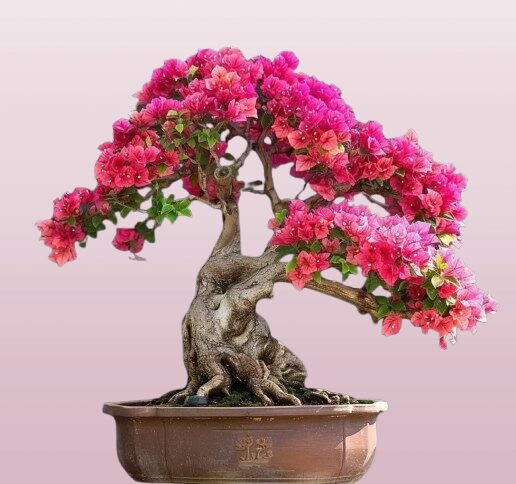
Bougainvillea is one of the most rewarding plants to turn into a bonsai because it grows rapidly, responds well to pruning, and produces vibrant bracts that look stunning on miniature trees. Beginners appreciate its forgiving nature and impressive transformation potential. This guide covers 20 practical, experience-based tips that make shaping, maintaining, and flowering your bougainvillea bonsai easier and more successful.
Table of Contents 👈 Tap Here
II. Understanding Bougainvillea
Before training bougainvillea as a bonsai, it’s important to understand its natural tendencies. Bougainvillea thrives in hot, bright environments and grows vigorously during warm seasons. It has brittle branches, shallow roots, and a strong need for sunlight. Knowing how the plant behaves helps beginners work with its strengths—fast growth, flexible young shoots, and heavy blooming—while avoiding common pitfalls like overwatering or winter damage.
III. 20 Best Tips to Turn Bougainvillea Into a Beautiful Bonsai
A. Choosing and Preparing Your Bougainvillea
1. Choose the right variety
Compact bougainvillea varieties such as ‘Pink Pixie’ or ‘Singapore White’ are ideal for beginners because they produce smaller leaves, more dense growth, and frequent blooms. Selecting the right cultivar sets the foundation for easier styling and faster results. A suitable variety minimizes pruning workload and offers better branch structure, making it easier to achieve a balanced bonsai shape within a shorter time
2. Start with a healthy, semi-woody plant
A semi-woody bougainvillea with a thickening trunk provides the perfect starting point for bonsai shaping. Young green shoots are too soft, while very old wood becomes brittle and hard to train. Choosing a plant with good branching potential, visible vigor, and no root damage gives beginners a major head start, allowing the tree to respond better to pruning and wiring.
3. Pick the right pot size and style
For early training, use a slightly larger growing pot that encourages root expansion and faster development. Once the shape matures, transition to a shallow bonsai pot that matches the tree’s style—round for informal shapes, rectangular for formal or upright forms. The correct pot not only enhances beauty but also influences root health, watering frequency, and overall stability of the bonsai.
4. Use a well-draining bonsai soil mix
Bougainvillea needs a light, airy, fast-draining soil mix to prevent root rot and support strong growth. A mix of pumice, perlite, pine bark, and akadama is ideal. This ensures the roots get oxygen while still retaining enough moisture for growth. Healthy roots lead directly to more vigorous branches and better flowering, making soil choice one of the most important beginner decisions.
B. Positioning and Light
5. Place your bougainvillea in full sunlight
Bougainvillea requires at least 6–8 hours of direct sunlight to grow compact branches and produce vibrant bracts. Full sun stimulates tighter internodes, stronger stems, and richer colors. Without strong light, the plant becomes leggy, weak, and reluctant to bloom. Placing it outdoors in the brightest location possible is one of the easiest, highest-impact steps a beginner can take.
6. Maintain warm temperatures
Bougainvillea thrives in warmth and struggles in cold environments. Keep it in temperatures above 60°F (15°C), especially at night. If the plant gets too cold, growth slows, leaves drop, and branches become stressed. Maintaining consistent warmth, especially during the growing season, encourages faster healing after pruning and helps the bonsai develop lush foliage and frequent blooms.
7. Provide good airflow
Air circulation prevents fungal infections, reduces pests, and helps the soil dry evenly after watering. Bougainvillea naturally grows in open, breezy conditions, so replicating that environment keeps it healthier. A well-ventilated outdoor space promotes strong, woody branches and prevents moisture buildup around the roots. Better airflow also enhances overall vigor and reduces the risk of leaf spot diseases.
C. Watering and Feeding
8. Water deeply but let soil partially dry
Bougainvillea prefers a “wet-to-dry” cycle. Water the soil thoroughly until it drains out, then allow it to dry slightly before the next watering. This pattern encourages deep, healthy root growth and prevents rot. Overly frequent watering leads to weak branches and fewer blooms. Understanding this watering rhythm is key for beginners because it directly impacts flowering and overall strength.
9. Avoid overwatering
Bougainvillea roots are sensitive and rot quickly if kept constantly wet. Many beginners lose bougainvillea due to excessive watering rather than underwatering. Using fast-draining soil, a pot with good drainage holes, and monitoring moisture levels helps prevent root issues. The plant naturally tolerates short dry periods, so it’s safer to underwater slightly than to keep soil soggy.
10. Apply high-potassium fertilizer
Potassium-rich fertilizers boost bougainvillea flowering and strengthen branches. Use a balanced but high-potassium formula during the growing season to encourage more vibrant, long-lasting bracts. Regular feeding ensures the plant has enough nutrients to rebound quickly after pruning and wiring. Controlled, consistent fertilization helps achieve the compact, blooming bonsai look that beginners often struggle to create.
11. Reduce feeding in winter
Bougainvillea slows down during cooler months, so feeding heavily during this time can stress the plant or cause weak growth. Light or reduced fertilization helps the . This seasonal rhythm encourages healthier blooms when warm weather returns. Understanding when to push growth and when to pause is essential for long-term bonsai success.
D. Pruning and Shaping
12. Regular tip pruning
Tip pruning encourages branching and creates the dense canopy seen in beautiful bonsai. Removing just the soft ends of new shoots forces the plant to produce multiple smaller branches, improving structure. Regular light pruning also keeps the tree compact and manageable. Over time, this helps build a fuller silhouette that elevates the bonsai’s overall shape and visual appeal.
13. Hard pruning for structure
Hard pruning is used to establish the main shape of the bonsai. Bougainvillea responds well to heavy cuts made during warm growing months, sending out new shoots quickly. This technique helps create trunk movement, branch hierarchy, and the overall framework. Beginners should prune confidently but avoid winter pruning, which slows healing and can weaken the plant.
14. Wiring during active growth
Wiring young bougainvillea branches allows beginners to position them into elegant bonsai shapes. However, bougainvillea wood becomes brittle with age, so wiring should be done on flexible, green shoots. Check the wires frequently to prevent scarring as branches thicken. Proper wiring during growth results in smoother curves, better spacing, and a more artistic structure.
15. Remove weak or crossing branches
Removing poorly placed or weak branches improves airflow and enhances the visual design of the bonsai. This selective pruning helps strengthen the primary structure while preventing cluttered, tangled growth. Eliminating crossing branches also reduces the risk of wounds and disease. Each cut should move the bonsai closer to a cleaner, more balanced silhouette that highlights its natural beauty.
E. Repotting and Root Care
16. Repot every 2–3 years
Bougainvillea prefers minimal root disturbance, so repotting every 2–3 years is ideal. Repot only during warm weather when the plant is actively growing. Fresh soil improves drainage and oxygen flow, revitalizing the root system. Gentle root management prevents shock and encourages stronger growth. Repotting at the right time keeps the bonsai healthy and responsive to shaping.
17. Trim roots lightly
Bougainvillea roots react negatively to heavy pruning, so beginners should trim only lightly during repotting. Removing too much can cause leaf drop, slow recovery, or even root death. A gentle approach encourages the plant to settle quickly in its new soil. Keeping more of the root mass intact leads to faster regrowth and more stable blooming patterns.
18. Use fast-draining soil
A fast-draining soil mix prevents water accumulation around the roots, reducing the risk of rot. Materials such as pumice, akadama, perlite, and pine bark create a balance of moisture retention and aeration. This type of soil keeps the plant vigorous, encourages strong fine roots, and supports continuous growth. Proper soil is essential for developing a healthy, long-lasting bonsai.
F. Flowering and Aesthetic Enhancement
19. Use brief dry periods to trigger blooming
Short dry spells followed by deep watering help initiate bougainvillea blooms. This technique mimics natural conditions where flowering occurs during stress periods. Combine this with strong sunlight and proper feeding for best results. Beginners often fail to bloom their bougainvillea because they water too frequently. Controlled stress encourages vibrant bracts and a more dramatic bonsai display.
20. Maintain shape and remove dead bracts
Regularly removing dead bracts and shaping the canopy keeps the bonsai looking fresh and neat. Cleaning the plant improves airflow and prevents fungal issues. Light shaping throughout the season maintains the bonsai’s form without stressing it. Rotating the plant every few days ensures even growth, helping maintain symmetry and enhancing the overall beauty.
IV. Common Mistakes
Beginners often struggle with overwatering, insufficient sunlight, heavy root pruning, and cold exposure. These mistakes quickly weaken bougainvillea. Avoid growing it indoors with limited light, and be careful when wiring older branches. Recognizing these issues early helps beginners keep their bonsai healthy, vigorous, and ready to develop into a stunning miniature tree over time.
Conclusion
Transforming bougainvillea into a beautiful bonsai is a rewarding journey that combines creativity with proper care. With the right balance of sunlight, pruning, and controlled watering, even beginners can achieve impressive results. As the bonsai matures, its character and flowering potential increase dramatically. Consistent, mindful training turns this vibrant plant into a stunning living artwork.
FAQs About Bougainvillea Bonsai
1. What is a Bougainvillea Bonsai?
A Bougainvillea Bonsai is a miniature tree created by training the vibrant bougainvillea plant into a compact form, offering striking colors and a tropical appearance. Caring for a Bougainvillea Bonsai requires understanding its sunlight, watering, and pruning needs to help it grow beautifully while maintaining the traditional aesthetics associated with bonsai cultivation.
2. How much sunlight does a Bougainvillea Bonsai need?
A Bougainvillea Bonsai thrives in bright, direct sunlight for at least six hours a day. Sun exposure encourages abundant blooms, strong branches, and overall vigor. Without consistent sunlight, growth slows and flowering decreases significantly. Ensuring your Bougainvillea Bonsai receives enough light is essential for maintaining its vibrant colors and healthy structure.
3. How often should I water a Bougainvillea Bonsai?
A Bougainvillea Bonsai prefers slightly dry conditions and does not like sitting in constantly wet soil. Water deeply only when the top layer of soil becomes dry. Overwatering can cause root rot and weaken the plant. Allowing moderate dryness helps encourage better flowering and keeps your Bougainvillea Bonsai thriving in its container.
4. What type of soil is best for a Bougainvillea Bonsai?
A Bougainvillea Bonsai grows best in well-draining soil that prevents excess moisture around the roots. A mix containing grit, pumice, or perlite ensures proper aeration and reduces the risk of fungal issues. Providing the right soil creates a healthy root system, allowing your Bougainvillea Bonsai to flourish and display vibrant blooms.
5. How often should I prune a Bougainvillea Bonsai?
Pruning a Bougainvillea Bonsai regularly helps maintain its shape and encourages fuller branching. Trim back long shoots and remove weak or tangled growth. Light pruning throughout the growing season keeps the structure tidy, while heavier pruning is done in early spring. Proper pruning ensures your Bougainvillea Bonsai remains aesthetically pleasing and strong.
6. Can I grow a Bougainvillea Bonsai indoors?
A Bougainvillea Bonsai can grow indoors if placed in a bright, sunny location such as a south-facing window. While it prefers outdoor conditions, indoor growth is possible with sufficient light and airflow. Regular exposure to warmth and sun ensures your Bougainvillea Bonsai maintains its blooming cycle and overall health when grown inside.
7. How do I encourage flowering on my Bougainvillea Bonsai?
To encourage flowering, place your Bougainvillea Bonsai in full sun, reduce watering slightly, and avoid excessive fertilizing. Bougainvilleas bloom best under mild stress and bright light. If conditions mimic their natural environment, your Bougainvillea Bonsai will reward you with abundant, colorful bracts throughout the growing season.
8. What temperature is ideal for a Bougainvillea Bonsai?
A Bougainvillea Bonsai prefers warm temperatures between 60–95°F, thriving best in tropical or subtropical climates. It is not frost-tolerant and must be sheltered or moved indoors during cold weather. Protecting your Bougainvillea Bonsai from freezing temperatures ensures healthy growth and prevents long-term damage to its roots and stems.
9. What pests commonly affect a Bougainvillea Bonsai?
A Bougainvillea Bonsai may encounter pests like aphids, scale, spider mites, and caterpillars. Regular inspection helps catch early infestations before they spread. Using insecticidal soap or neem oil provides effective control. Keeping your Bougainvillea Bonsai clean, well-maintained, and properly watered reduces the likelihood of pest problems.
10. How do I repot a Bougainvillea Bonsai?
Repot a Bougainvillea Bonsai every two to three years during spring, when growth is active. Carefully loosen the roots, remove old soil, and place it into a slightly larger pot with fresh, well-draining soil. Avoid over-pruning roots, as bougainvilleas dislike disturbance. Proper repotting ensures continuous healthy development of your Bougainvillea Bonsai.
11. What fertilizer should I use for a Bougainvillea Bonsai?
A Bougainvillea Bonsai benefits from a balanced fertilizer with higher phosphorus to support blooming. Feed lightly during the growing season, avoiding excessive nitrogen that promotes leafy growth instead of flowers. Consistent, moderate feeding helps your Bougainvillea Bonsai maintain vibrant colors, strong structures, and steady blooming cycles throughout the year.
12. Why isn’t my Bougainvillea Bonsai blooming?
If your Bougainvillea Bonsai isn’t blooming, it may lack sunlight, be overwatered, or receive too much nitrogen. Bougainvilleas require bright light and mild stress to flower well. Adjusting these conditions encourages blooms to return. Ensuring the proper balance of care helps your Bougainvillea Bonsai produce its signature colorful display.
13. Is a Bougainvillea Bonsai suitable for beginners?
A Bougainvillea Bonsai can be suitable for beginners who can provide plenty of sunlight and avoid overwatering. While it requires consistent attention, its fast growth and vibrant colors make it rewarding. Learning its care routine helps new growers understand basic bonsai principles while enjoying the beauty of a Bougainvillea Bonsai in their collection.
14. How fast does a Bougainvillea Bonsai grow?
A Bougainvillea Bonsai grows relatively fast under the right conditions, producing long shoots and abundant foliage. Regular pruning helps maintain its shape despite quick growth. Warm weather and ample sunlight speed development. Understanding its growth habits allows you to shape your Bougainvillea Bonsai effectively and keep it looking balanced and refined.
15. Can I shape a Bougainvillea Bonsai with wiring?
You can shape a Bougainvillea Bonsai using wiring, though care is needed because its branches can be brittle. Apply wire gently and monitor regularly to avoid scarring. Wiring helps create graceful curves and structure. With patience and proper technique, wiring contributes significantly to enhancing the artistic form of your Bougainvillea Bonsai.