
Feel free to share!
The Red Maple Bonsai, scientifically known as Acer rubrum, is celebrated for its fiery autumn display of red, orange, and golden leaves. Its stunning seasonal transformation makes it one of the most sought-after bonsai varieties among collectors and hobbyists. However, achieving that breathtaking color is not just about luck—it requires understanding how light, soil, and nutrients work together throughout the year.
Table of Contents 👈 Tap Here
To bring out the best autumn brilliance, you must follow a balanced care routine tailored to the Red Maple’s unique growth cycle. This comprehensive Red Maple Bonsai Care Guide covers 20 proven methods that enhance color intensity, promote strong roots, and ensure long-term health. Whether you’re a beginner or an experienced grower, these tips will help your bonsai thrive beautifully each season.
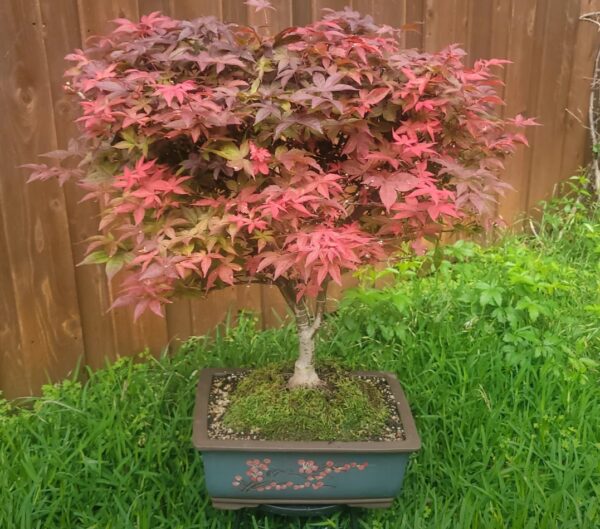
1 Red Maple Bonsai trees (Acer rubrum)
captivate growers with their spectacular autumn transformation. Achieving intense color is not just luck—it’s the result of balanced nutrition, ideal lighting, and seasonal timing. Understanding how these factors influence leaf pigmentation helps you maintain consistent vibrancy every fall. This guide outlines practical, proven methods to maximize your bonsai’s autumn beauty.
2. Species & Cultivar Selection
Choosing the right cultivar is key to achieving rich fall color. Select species of Acer rubrum or Japanese maples bred for strong pigmentation. Young trees develop faster, but older bonsai display deeper color intensity. Avoid overly large leaves; compact cultivars produce denser foliage. Always match the cultivar’s climate tolerance with your local conditions for consistent seasonal results.
3. Placement & Light Exposure
Light exposure directly influences how vibrant your Red Maple Bonsai appears. Every day, give them at least six hours of bright, indirect sunshine. Morning and late-afternoon sun are ideal, avoiding harsh midday rays that can scorch leaves. Adjust placement seasonally—more light in autumn helps enhance pigmentation, while filtered light in summer prevents stress and leaf burn.
4. Soil & Potting Medium
The right soil mix promotes root health and supports intense autumn color. Use a well-draining bonsai blend containing akadama, pumice, and lava rock to retain balanced moisture. Red maples prefer slightly acidic to neutral soil (pH 5.5–6.5). Refresh or repot every two to three years in early spring to maintain optimal aeration and nutrient balance.
5. Watering & Moisture Management
Red Maple Bonsai trees thrive on consistent moisture but dislike soggy roots. Water thoroughly when the topsoil feels slightly dry, ensuring excess water drains freely. During summer, mist occasionally to maintain humidity. Reduce watering gradually as autumn approaches, preventing root rot. Balanced moisture supports leaf health and prevents dull or scorched foliage, encouraging bright seasonal coloration.
6. Fertilization Strategy for Autumn Color
Proper feeding directly affects the depth of autumn color. During spring and summer, use a balanced organic fertilizer to support growth. As autumn nears, switch to a low-nitrogen formula, emphasizing phosphorus and potassium to boost color development. Over-fertilization leads to excessive green growth, diluting fall hues. Feed moderately, allowing the tree to transition naturally into dormancy.
7. Pruning & Branch Management
Pruning plays a vital role in shaping your bonsai and improving leaf display. Perform structural pruning in late winter or early spring to refine shape. Light trimming in summer encourages airflow and balanced nutrient distribution. Avoid heavy pruning right before autumn—it can disrupt leaf coloration. Controlled pruning ensures a well-shaped tree with evenly vibrant foliage.
8. Wiring & Styling for Seasonal Impact
Wiring allows you to position branches for optimal light exposure, showcasing autumn color beautifully. Wire young branches carefully during late spring when they’re flexible. Avoid wiring during the color change period to prevent stress. Choose styles like informal upright or broom that highlight foliage layers, ensuring the red, orange, and gold tones are fully visible in autumn.
9. Repotting & Root Health
Healthy roots are the foundation of vibrant autumn foliage. Repot your Red Maple Bonsai every two to three years in early spring before leaf buds open. Trim one-third of the roots, focusing on removing old, thick ones. Use fresh, nutrient-rich soil. Avoid repotting close to autumn, as it may disturb nutrient flow crucial for vivid seasonal coloration.
10. Seasonal Transition – Pre-Autumn Preparation
Late summer preparation determines autumn brilliance. Gradually reduce nitrogen fertilization and watering frequency to encourage dormancy. Check for pests, leaf damage, and sunburn to prevent stress during the color phase. Ensure your bonsai receives cooler nights and steady morning light as autumn approaches—this natural temperature shift triggers the deep red pigmentation maples are famous for.
11. Autumn Color Boosting Techniques
To maximize autumn color, replicate natural conditions. Provide bright sunlight and allow slightly cooler nighttime temperatures. Limit nitrogen-rich fertilizers, as they promote green leaf growth. Maintain adequate moisture but avoid overwatering. Some enthusiasts use mild stress, such as reduced watering or nutrient restriction, to stimulate pigment formation. Balance is essential—too much stress weakens the tree.
12. Protecting & Enhancing Leaf Color Duration
Once leaves begin turning, protect your bonsai from harsh conditions. Shield it from strong winds, excessive rain, or direct midday sunlight that may damage delicate leaves. Maintain consistent humidity and temperature to prolong color retention. Avoid moving the tree too frequently. A stable environment helps preserve the red, orange, and gold hues longer into the season.
13. Pest, Disease & Deficiency Management
Pests like aphids and fungal infections can ruin your bonsai’s leaves before autumn. Inspect regularly for discoloration, spots, or webbing. Treat issues early using neem oil or mild insecticidal soap. Iron and magnesium deficiencies also dull color. Apply micronutrient supplements if necessary. Healthy leaves respond better to seasonal changes, producing richer, more even color tones across the canopy.
14. Overwintering & Post-Color Care
After autumn’s show, your bonsai enters dormancy. Allow leaves to fall naturally before moving the tree to a sheltered location. Protect roots from freezing by mulching or wrapping the pot. Water sparingly during winter dormancy. Avoid fertilizing until spring. Proper winter care ensures your Red Maple Bonsai stores enough energy to produce an even more vibrant display next year.
15. Container & Display Considerations
Your bonsai’s container plays a subtle but important role in enhancing autumn beauty. Choose shallow, neutral-colored pots—gray, cream, or dark blue—to contrast with red foliage. Display the bonsai against a simple background that highlights its seasonal tones. Position it where natural light enhances leaf brilliance, making your Red Maple Bonsai the centerpiece of your autumn collection.
16. Monitoring & Record-Keeping
Consistent observation helps you improve results annually. Keep a care journal recording watering habits, fertilizer type, light exposure, and leaf color intensity. Photograph your bonsai each season to identify patterns and improvements. Comparing data helps you refine your methods year after year. Documenting care is an EEAT practice—showing expertise, consistency, and authority in bonsai cultivation.
17. Troubleshooting Color Issues
If your Red Maple Bonsai’s autumn color looks dull or brown instead of bright red, identify the root cause. Insufficient sunlight, excess fertilizer, or heat stress are common culprits. Adjust placement, moderate feeding, and ensure proper watering. Prune damaged leaves early to encourage new, healthy growth. A balanced environment restores pigment intensity and overall leaf vitality.
18. Advanced Techniques for Color Enhancement
Experienced growers use refined methods to intensify color. Controlled defoliation after summer growth can stimulate smaller, denser leaves that color more vividly. Slight root pruning or adjusting pot placement for better airflow also helps. Some apply mild stress by reducing water slightly before autumn. Each technique must be applied carefully to avoid weakening the bonsai.
19. Case Studies & Examples
Renowned bonsai artists achieve extraordinary color by blending patience with precise care. For instance, a five-year-old Acer rubrum trained in an upright style shows deep crimson when given early morning light and moderate feeding. Another grower achieved fiery orange tones by reducing nitrogen in late summer. Small adjustments often lead to dramatically improved autumn displays.
20. Summary & Seasonal Checklist
To maximize autumn color in your Red Maple Bonsai, focus on consistent care: balanced feeding, proper light, good soil, and seasonal timing. Prepare early, encourage healthy roots, and protect leaves during their peak. Each autumn, refine your approach using records and experience. With care and attention, your bonsai will reward you with breathtaking seasonal brilliance every year.