
Feel free to share!
Table of Contents 👈 Tap Here
Orchids are enchanting plants, celebrated for their delicate blooms and vibrant colors, yet many enthusiasts face the frustration of a flowerless season. Orchid Not Reflowering can be discouraging, especially when your plant appears healthy but refuses to bloom, leaving you wondering what went wrong. Understanding the precise triggers that coax orchids into flowering is essential for every grower.
In this guide, we reveal the 20 best bloom trigger techniques to help your orchid thrive and bloom year after year. From adjusting light and temperature to perfecting watering routines, these methods are designed to restore your orchid’s natural rhythm and encourage stunning, long-lasting flowers, turning your plant into a consistent showstopper.
1. How Orchids Flower
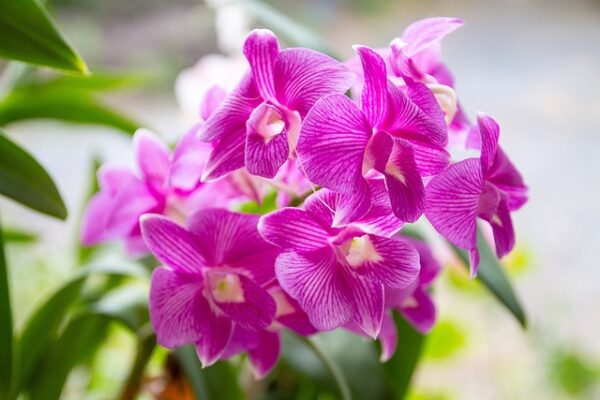
Orchids have specific flowering cycles depending on species. Phalaenopsis generally bloom once or twice annually, while Cattleyas may bloom seasonally. Understanding your orchid’s natural rhythm helps in providing care and environmental cues that align with its blooming phase. Proper timing ensures energy is focused on flower spike development rather than survival.
2. Reasons Orchids Fail to Reflower
Failure to bloom is often due to stress, improper light, insufficient nutrients, or environmental changes. Even minor factors like sudden temperature shifts, overwatering, or pests can halt flowering. Identifying the exact cause allows you to correct the issue and redirect your orchid’s energy into developing healthy flower spikes.
3. Types of Orchids and Flowering Patterns
Different orchid species have unique bloom habits. Phalaenopsis thrive indoors with consistent care, while Dendrobiums need cooler nights to trigger flowers. Understanding your orchid’s type allows tailored care, including temperature regulation, pruning, and fertilization, which directly promotes timely and healthy flowering while preventing unnecessary stress.
4. Optimal Light Conditions
Orchids need bright, indirect sunlight to thrive. Direct sunlight can scorch leaves, while insufficient light prevents flowering. East or south-facing windows are ideal, and supplemental grow lights during winter ensure the orchid receives enough energy to form flower spikes. Proper light is critical for stimulating natural flowering cycles indoors.
5. Temperature Adjustments
Temperature differences between day and night can trigger flowering. Phalaenopsis orchids, for example, require cooler nights around 60–65°F and warmer days near 75–80°F to develop buds. Simulating these conditions indoors encourages the orchid to enter its blooming phase naturally, giving it a seasonal cue that signals flower production.
6. Humidity Control
Orchids flourish in 50–70% humidity. Low humidity may cause buds to drop prematurely, while excessive moisture encourages fungal infections. Use a humidity tray, room humidifier, or misting to maintain ideal moisture levels. Balanced humidity supports healthy growth, root function, and flower spike development, all critical for successful reflowering.
7. Air Circulation
Adequate airflow is essential to prevent disease and promote healthy blooms. Light circulation, such as from a fan or open window, helps orchids “breathe” and strengthens stems. Avoid strong drafts that can stress the plant, but ensure gentle airflow that promotes overall health, allowing the orchid to direct energy toward flowering rather than defense.
8. Seasonal Changes
Orchids respond to seasonal cues like light duration and temperature. Mimicking natural seasonal variations indoors helps orchids prepare for flowering. For example, slightly cooler nights and reduced water during autumn mimic winter dormancy, signaling the plant to develop flower spikes for spring blooms. These cues are vital for reflowering success.
9. Proper Watering Schedule
Overwatering or underwatering can prevent flowering. Orchids prefer to dry slightly between watering. Check moisture an inch below the surface before watering. Consistent, balanced watering ensures roots remain healthy, allowing the plant to store energy for flower spikes rather than focusing on survival, which is essential for reliable blooming.
10. Water Quality
Tap water often contains chlorine or fluoride, which can stress orchids. Filtered, distilled, or rainwater helps maintain root health, preventing chemical buildup. Clean water supports healthy leaf and root function, which is necessary for energy transfer to flower spikes. This simple adjustment can significantly improve your orchid’s chance to reflower.
11. Leaf & Root Care
Healthy leaves and roots are essential for blooming. Remove damaged or yellow leaves and check roots for rot or dehydration. A robust root system ensures proper nutrient absorption, giving the plant energy to produce flower spikes. Neglecting this step can result in delayed or weak blooms, even with optimal environmental conditions.
12. Bloom-Boosting Fertilizers
Fertilizers rich in phosphorus promote flower spike formation. Look for ratios like 10:30:20 to stimulate blooming. Fertilization should coincide with the orchid’s active growth phase to maximize energy transfer to buds rather than vegetative growth, giving your plant the nutrients it needs to produce healthy, vibrant flowers.
13. Balanced Fertilizer Schedule
Consistency is key for fertilization. Feed orchids every two weeks during active growth, reducing frequency when dormant. Over-fertilizing can harm roots, while under-fertilizing leaves buds underdeveloped. Following a proper schedule ensures energy and nutrients are focused on flower spike formation rather than other functions.
14. Organic vs. Chemical Fertilizers
Both organic and chemical fertilizers can support flowering. Organic options like seaweed extract provide trace elements slowly, while chemical fertilizers offer targeted nutrient boosts. Alternating or combining both ensures your orchid receives comprehensive nutrition, improving foliage health and maximizing flower spike potential.
15. Repotting at the Right Time
Repotting during blooming can stress the orchid and delay flowers. Repot between blooms, ideally after flowering ends, using fresh medium. Healthy roots support energy storage and allow for proper nutrient absorption. Correct timing ensures the orchid can recover quickly and redirect energy toward producing new flower spikes.
16. Using Hormones or Bloom Stimulators
Bloom stimulators containing cytokinins or phosphorus can encourage flower spike development. Use them carefully and according to instructions. These stimulators work best on healthy orchids approaching their natural flowering phase, providing an extra push to initiate bud formation without causing unnecessary stress.
17. Pruning & Deadheading
Pruning old spikes and removing faded flowers helps the orchid focus energy on new growth. It improves airflow, prevents disease, and encourages additional flower spike production. Always use sterilized tools to avoid infection, as healthy plants are far more likely to produce strong, vibrant blooms when given the proper care.
18. Stress Techniques (Safe Stress)
Controlled stress, such as slightly reduced watering or cooler nights, can trigger blooming by mimicking natural seasonal changes. Ensure the stress is mild and temporary, as excessive stress harms orchids. Safe stress signals the plant to produce flowers as a survival strategy, increasing your chances of successful reflowering.
19. Pest and Disease Control
Pests and diseases divert energy from flower production. Regularly inspect your orchids for aphids, mealybugs, or fungal infections, and treat problems promptly. Healthy orchids allocate energy efficiently, focusing on flower spikes. Prevention and early intervention are essential to ensure your plant remains vigorous and capable of reflowering.
20. Patience & Observation
Even with perfect care, orchids need time to reflower. Observing growth patterns, adjusting care gradually, and avoiding over-manipulation ensures successful flowering. Patience allows the plant to focus energy on bud development, and consistent, attentive care ultimately leads to vibrant, long-lasting blooms that reward your dedication.
Conclusion
Orchid reflowering depends on understanding natural cycles, providing proper care, and using targeted bloom triggers. From environmental adjustments to nutrition, pruning, and gentle stress techniques, these 20 strategies maximize your orchid’s potential. Consistency, observation, and patience ensure your orchid produces healthy, beautiful flowers that enhance your home for months at a time.
FAQs on Orchid Not Reflowering
1. Why is my Orchid Not Reflowering?
Orchid Not Reflowering is a common issue among orchid enthusiasts. It usually happens due to insufficient light, incorrect temperature, or improper feeding. Orchids need specific conditions to bloom again. Ensuring consistent watering, providing indirect sunlight, and maintaining moderate humidity can help overcome the problem of Orchid Not Reflowering. Patience is also key, as orchids may take weeks to show signs of blooming.
2. Can a recently bloomed orchid fail to bloom again?
Yes, Orchid Not Reflowering can occur after a recent bloom cycle. After flowering, orchids need a rest period to replenish energy. Without proper care, such as fertilization and proper light, Orchid Not Reflowering becomes more likely. Monitoring the plant’s environment and adjusting light or nutrients can significantly reduce the chances of Orchid Not Reflowering in subsequent seasons.
3. Does temperature affect Orchid Not Reflowering?
Absolutely. Temperature fluctuations play a major role in Orchid Not Reflowering. Orchids require a slight difference between day and night temperatures to trigger blooming. If temperatures are too high or too stable, Orchid Not Reflowering is more likely. Maintaining a consistent temperature range, while avoiding drafts or sudden cold, helps the orchid regain its blooming potential.
4. How does watering impact Orchid Not Reflowering?
Overwatering or underwatering is a key reason for Orchid Not Reflowering. Orchids need well-draining media and a careful watering schedule. Improper watering can stress the plant, reducing its energy to produce flowers. To prevent Orchid Not Reflowering, water only when the medium is partially dry and avoid letting the roots sit in water for extended periods.
5. Can fertilizer help if Orchid Not Reflowering?
Yes, proper fertilization can prevent Orchid Not Reflowering. Use a balanced orchid fertilizer during the growing season to replenish nutrients. Fertilizing too little or too much can cause Orchid Not Reflowering. A diluted fertilizer applied regularly encourages strong growth and provides the energy the plant needs to produce new blooms.
6. Does potting medium affect Orchid Not Reflowering?
Definitely. A poor potting medium can lead to Orchid Not Reflowering. Orchids require well-aerated, loose media to allow root breathing. Compact or water-retaining media can suffocate roots, causing stress and Orchid Not Reflowering. Repotting every 1–2 years and using fresh orchid bark or moss improves root health and encourages flowering.
7. Can low light cause Orchid Not Reflowering?
Yes, insufficient light is one of the top reasons for Orchid Not Reflowering. Orchids need bright but indirect sunlight to stimulate flower spikes. If light is too low, Orchid Not Reflowering is inevitable. Moving your orchid to a brighter location or supplementing with grow lights can restore its blooming cycle and prevent Orchid Not Reflowering.
8. Is it normal for orchids to skip blooming?
Yes, sometimes orchids naturally skip a blooming season, resulting in Orchid Not Reflowering. Stress, age, or environmental changes can trigger this. Understanding the orchid’s specific needs, including rest periods, proper care, and avoiding sudden changes, reduces the likelihood of Orchid Not Reflowering and ensures healthier blooms in the next season.
9. Can pruning help if Orchid Not Reflowering?
Yes, pruning can address Orchid Not Reflowering. Cutting back old flower spikes encourages the plant to focus energy on new growth. However, improper pruning may worsen Orchid Not Reflowering. Always trim carefully above nodes or at the base of dried stems to stimulate new flowering spikes and reduce the chance of Orchid Not Reflowering.
10. How long does it take to recover from Orchid Not Reflowering?
Recovery from Orchid Not Reflowering can take several weeks to months. Orchids need time to rebuild energy and grow healthy leaves and roots before flowering again. Proper care, consistent light, temperature control, and fertilization gradually reverse Orchid Not Reflowering and prepare the plant for its next bloom cycle.
11. Can moving an orchid cause Orchid Not Reflowering?
Yes, relocating an orchid can trigger Orchid Not Reflowering. Orchids are sensitive to changes in light, temperature, and humidity. A sudden move may stress the plant, causing it to halt flowering. To prevent Orchid Not Reflowering, gradually acclimate the orchid to new surroundings and maintain consistent care, allowing it to regain energy for its next bloom cycle.
12. Does root health influence Orchid Not Reflowering?
Absolutely. Poor root health is a major cause of Orchid Not Reflowering. Damaged or rotting roots cannot absorb nutrients effectively, leading to weak growth and failure to bloom. Regularly check roots for firmness and color, repot if necessary, and maintain proper watering to prevent Orchid Not Reflowering and encourage robust flower production.
13. Can stress cause Orchid Not Reflowering?
Yes, stress is a key factor behind Orchid Not Reflowering. Stress from overwatering, temperature fluctuations, pests, or sudden environment changes can halt blooming. Minimizing stress by providing stable conditions, adequate light, and gentle handling reduces the likelihood of Orchid Not Reflowering, helping the plant focus on healthy growth and producing vibrant flowers again.
14. Will age affect Orchid Not Reflowering?
Yes, age can contribute to Orchid Not Reflowering. Older orchids may slow down their blooming cycles or require more care to produce flowers. Ensuring proper nutrition, consistent light, and regular pruning can counter age-related Orchid Not Reflowering, keeping the orchid healthy and more likely to bloom even as it matures.
15. Can pests or disease cause Orchid Not Reflowering?
Yes, pests and diseases can lead to Orchid Not Reflowering. Infestations or infections weaken the plant, diverting energy away from flowering. Treating issues promptly and maintaining a clean growing environment helps prevent Orchid Not Reflowering. Regular inspections and preventive care ensure orchids stay strong and ready to produce blooms consistently.