
Feel free to share!
Moving your beloved orchids from a cozy home environment to a new condo can be stressful for both you and your plants. The sudden change in light, humidity, and temperature often causes a common issue—Orchid Leaves Falling. This problem can make your once-vibrant orchids appear weak and unhealthy, but with the right care and attention, it’s completely reversible.
Table of Contents 👈 Tap Here
Understanding how to adapt your orchids to their new surroundings is the key to keeping them lush and thriving. In this guide, we’ll explore the 20 best ways to stop leaf loss after moving your orchids, covering everything from adjusting light exposure and humidity levels to choosing the best fertilizers and monitoring plant health. These practical tips will help your orchids regain their strength and continue to bloom beautifully in their new condo home.
Orchid Leaves Falling
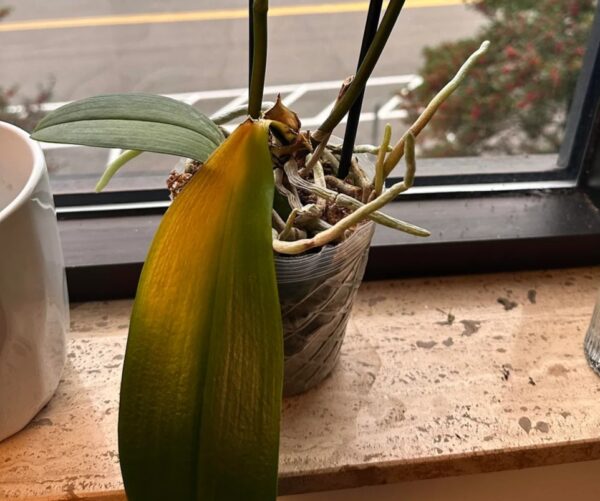
🌿 Why Orchid Leaves Fall After Moving
When orchids are relocated, their microclimate changes drastically. Your old home may have offered gentle airflow, higher humidity, and soft, natural light. In contrast, condos often have controlled air, cooler drafts from air conditioners, and filtered or artificial lighting. These changes can cause shock, leading to yellowing or falling leaves. Understanding this response helps you make the right fixes before long-term damage occurs.
🏢 Key Checks to Do in Your New Condo
Before setting your orchid down, it’s important to assess its new environment carefully. The goal is to mimic the conditions of your old home as closely as possible so your orchid experiences less shock.
1. Check light direction. Find out which way your windows face. East or southeast-facing windows usually provide ideal bright but indirect sunlight for orchids.
2. Check air flow. Condos often have limited ventilation. Ensure air circulates gently without strong drafts. A small fan on a low setting can help.
3. Check humidity levels. Use a hygrometer to monitor humidity. If it’s below 50%, set up a pebble tray or a small humidifier near your orchid.
4. Check temperature stability. Avoid placing your orchid near vents, heaters, or exterior walls where temperature fluctuates. Orchids prefer steady warmth.
5. Check your water quality. Condo water often contains more chlorine or fluoride. If possible, switch to filtered or rainwater to prevent salt buildup on roots.
6. Check placement. If your condo is shaded by nearby buildings, add grow lights to supplement natural sunlight. Position your orchid about 12–18 inches below the light for best results.
These small environmental checks can make a big difference in helping your orchid settle comfortably into its new space.
🌞 1–5: Mimic the Light and Placement from Your Old Home
1. Recall the old spot. Was your orchid by a sunny kitchen window or in a shaded patio? Try to place it in a similar light setting in your condo. This consistency helps your orchid recognize its environment and reduces stress-related leaf loss.
2. Match the direction of light. If your old home had an east-facing window, use the same orientation. Orchids thrive on predictable light cycles, and this stability encourages steady leaf growth.
3. Use sheer curtains. Bright, filtered light is perfect for orchids. If your condo receives harsh sunlight, hang a sheer curtain to diffuse the rays and prevent leaf burn.
4. Add grow lights if necessary. Many condos lack sufficient natural light. Full-spectrum LED grow lights can replicate daylight, ensuring your orchid gets 10–12 hours of healthy illumination each day.
5. Avoid cold drafts or direct A/C air. Air conditioners can cause cold, dry air to blow directly on the plant. Move your orchid away from vents and ensure consistent temperatures between 65°F and 80°F (18°C–27°C).
💧 6–10: Adjust Your Watering Routine
6. Reassess watering frequency. Indoor condo air can be drier. Check the potting medium before watering — it should feel slightly dry but not completely parched.
7. Use high-quality water. Condos often use treated tap water that can stress orchids. Use rainwater, distilled, or filtered water for the best results.
8. Water early in the day. Morning watering gives orchids time to absorb moisture before temperatures drop at night, preventing root rot.
9. Avoid overwatering. Orchids dislike soggy roots. Allow water to drain completely, and never let the pot sit in standing water.
10. Keep a routine. Consistency matters more than frequency. Orchids adapt well when they’re watered and fed on a regular schedule.
🌡️ 11–15: Recreate Temperature and Humidity
11. Maintain stable warmth. Orchids enjoy moderate warmth. Keep daytime temperatures around 70–80°F and slightly cooler at night to mimic natural conditions.
12. Raise humidity naturally. Place a humidity tray beneath the pot or mist the air around the plant (not the leaves) to prevent dehydration.
13. Group plants together. If you have multiple houseplants, arrange them near each other to create a shared microclimate of gentle humidity.
14. Use a small fan for airflow. Stagnant air can cause fungal growth. A quiet fan helps circulate air without disturbing the leaves.
15. Avoid heaters or vents. Hot air from radiators or heating units can dry the potting medium and weaken the plant’s leaves.
🪴 16–20: Ongoing Orchid Care & Recovery Tips
16. Check roots regularly. Healthy roots are green or silvery-white. Trim brown, mushy roots and repot in fresh orchid bark if needed.
17. Fertilize gently. Use a balanced fertilizer at half strength every 2–3 weeks to support new growth without burning roots.
18. Clean leaves. Wipe with a damp cloth to remove dust and enhance light absorption. This keeps leaves shiny and photosynthesis efficient.
19. Inspect for pests. Look for tiny spots, webbing, or sticky residue. Treat early with neem oil or insecticidal soap.
20. Be patient. Leaf loss after moving is normal. Within weeks of steady care, new growth and firm leaves will emerge.
🌸 Best Fertilizers for Orchids with Falling Leaves
Once your orchid begins to adjust, proper feeding can speed up recovery and restore leaf strength.
🧪 1. Balanced Orchid Fertilizer (20-20-20)
Ideal for general recovery. Promotes steady root, stem, and leaf growth. Mix at ¼ strength weekly (“weakly, weekly”).
Recommended brands: Miracle-Gro Orchid Food, Schultz Orchid Liquid Feed. Orchids focus grow
🌿 2. High-Nitrogen Fertilizer (30-10-10)
Perfect for orchids in bark media. Nitrogen supports new leaf formation and helps rebuild tissue lost during stress.
Recommended brands: Better-Gro Orchid Plus, Dyna-Gro Grow.
🌺 3. Bloom Booster Fertilizer (10-30-20)
Once the orchid stabilizes, switch to this formula. It encourages root development and flower spikes.
Recommended brands: Peters Blossom Booster, Orchid Bloom Plus.
🌱 4. Natural Homemade Options
Rice Water: Mild and nutrient-rich for gentle recovery.
Banana Peel Water: Potassium aids leaf strength.
Aloe Vera Mix: Restores hydration and shine.
Eggshell Tea: Adds calcium for firm, healthy leaves.
Tips for Faster Recovery⭐
Avoid sudden changes in light, temperature, or humidity—stress accelerates leaf drop.
Keep orchids away from ethylene gas sources like stoves, ovens, or gas heaters.
Don’t place orchids near a window during cold weather—cold drafts can stress the plant.
Be patient: recovery may take weeks; focus on consistent, gentle care.
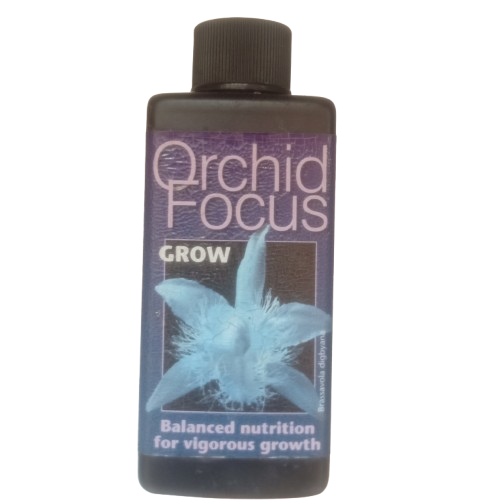
Use this fertilizer good for orchids
🌼 Final Thoughts: Stability Is the Secret
Leaf loss after moving is your orchid’s way of saying it needs time to adapt. Be patient, stay consistent, and recreate the comforting balance of your old home — familiar light, humidity, and gentle feeding. With care, your orchid will reward you with fresh leaves, stronger roots, and, eventually, stunning blooms again.
FAQs on Orchid Leaves Falling
1. Why are my orchid leaves falling?
Orchid leaves falling can happen due to stress caused by environmental changes, such as moving from home to a condo. It may also indicate improper watering, low humidity, or exposure to cold drafts. Monitoring your orchid’s conditions carefully can help reduce orchid leaves falling and restore healthy growth over time.
2. Can overwatering cause orchid leaves falling?
Yes, overwatering is one of the primary causes of orchid leaves falling. Excess water can lead to root rot, depriving the plant of essential nutrients and causing its leaves to drop. Ensure proper drainage, water only when roots feel dry, and avoid leaving orchids in standing water to prevent orchid leaves falling.
3. Does low humidity contribute to orchid leaves falling?
Absolutely. Orchids thrive in environments with moderate to high humidity. Low humidity can cause stress, dehydration, and eventually orchid leaves falling. Using a humidity tray, misting the leaves occasionally, or placing the orchid in a well-humidified room can minimize orchid leaves falling and keep your plant vibrant.
4. How does temperature affect orchid leaves falling?
Sudden temperature fluctuations can trigger orchid leaves falling. Cold drafts or moving orchids to a much warmer or cooler location stresses the plant. Maintaining a stable temperature range suitable for your orchid type helps prevent orchid leaves falling, ensuring healthy foliage and longer-lasting blooms.
5. Can light issues cause orchid leaves falling?
Yes, improper light exposure is a common reason for orchid leaves falling. Too much direct sunlight can scorch leaves, while insufficient light weakens the plant. Providing bright, indirect sunlight is ideal to avoid orchid leaves falling and maintain the plant’s natural growth cycle.
6. Is ethylene gas responsible for orchid leaves falling?
Yes, ethylene gas from stoves, ovens, or gas heaters can trigger orchid leaves falling, particularly older leaves. Keep orchids away from such sources and ensure good ventilation. Limiting exposure reduces the risk of orchid leaves falling due to chemical stress.
7. Can repotting cause orchid leaves falling?
Repotting can sometimes lead to temporary orchid leaves falling because the roots are disturbed. This stress is normal if done correctly. Using fresh, appropriate orchid media and avoiding overhandling the roots can reduce orchid leaves falling after repotting, allowing the plant to adapt smoothly to its new environment.
8. Are nutrient deficiencies linked to orchid leaves falling?
Yes, nutrient deficiencies are a frequent cause of orchid leaves falling. Lack of essential minerals such as nitrogen, magnesium, or calcium weakens the plant and causes leaf drop. Using a balanced orchid fertilizer regularly can help prevent orchid leaves falling and encourage healthy foliage.
9. Does pest infestation trigger orchid leaves falling?
Certain pests, like aphids, mealybugs, or spider mites, can cause orchid leaves falling by damaging leaves and roots. Regular inspection and treatment with safe insecticides or natural remedies can prevent orchid leaves falling, keeping the plant healthy and resistant to further damage.
10. Can stress from moving trigger orchid leaves falling?
Yes, moving orchids from one environment to another often causes stress, leading to orchid leaves falling. Changes in temperature, light, or humidity during relocation can shock the plant. Gradual acclimatization helps reduce orchid leaves falling and ensures the orchid adapts to its new surroundings.
11. How long does it take for orchid leaves falling to stop?
The duration varies depending on the cause, but with proper care, orchid leaves falling usually stabilizes within a few weeks. Adjusting water, light, humidity, and nutrients can help your plant recover. Consistent care ensures that orchid leaves falling slows down and new healthy leaves emerge.
12. Can using the wrong pot cause orchid leaves falling?
Yes, improper pots without adequate drainage or the wrong size can contribute to orchid leaves falling. Orchids require breathable containers to prevent root rot and stress. Using the right potting medium and proper drainage reduces orchid leaves falling and promotes overall plant health.
13. Is natural leaf shedding different from problematic orchid leaves falling?
Yes, orchids naturally shed older leaves occasionally. However, excessive or sudden orchid leaves falling may indicate stress, disease, or poor care. Understanding the difference helps address underlying issues while recognizing normal orchid leaves falling as part of the plant’s growth cycle.
14. How can I prevent orchid leaves falling in winter?
Winter brings cooler temperatures and drier indoor air, often causing orchid leaves falling. Maintaining stable indoor temperatures, increasing humidity, and adjusting watering schedules can prevent orchid leaves falling. These measures help orchids remain healthy and avoid unnecessary leaf loss during colder months.
15. What immediate steps should I take when noticing orchid leaves falling?
When orchid leaves falling occurs, check light, temperature, humidity, watering, and signs of pests or disease. Adjust care routines carefully, avoid overwatering, and ensure proper fertilizer use. Timely attention reduces stress and stops orchid leaves falling, allowing your orchid to recover fully and thrive again.