Feel free to share!
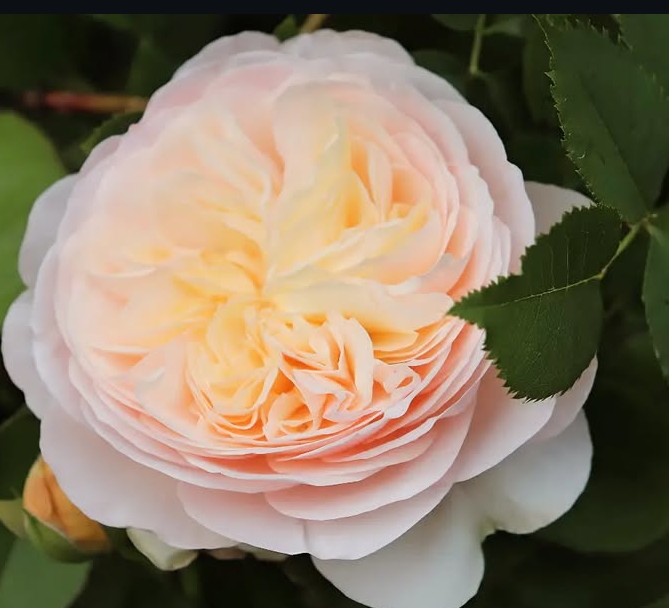
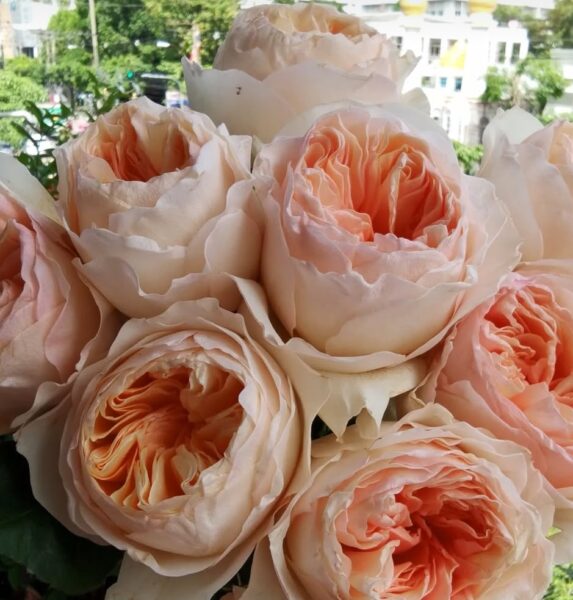
The Juliet Rose is known worldwide as one of the most luxurious and romantic flowers ever bred. Created by the legendary rose breeder David Austin, this beautiful bloom is famous for its peach-pink hue, soft fragrance, and layered petals. Mastering Juliet Rose care helps you keep its charm alive through every season, ensuring breathtaking blooms that captivate every garden lover’s heart.
Table of Contents 👈 Tap Here
In this complete guide, you’ll discover 20 expert-approved Juliet Rose care tips. Whether you’re a beginner or experienced gardener, these proven techniques will help you achieve stronger growth, brighter colors, and longer-lasting blooms that define the elegance of this English rose masterpiece.
🌿 1. Choose the Right Soil Mix
The Juliet Rose prefers rich, well-drained loamy soil with plenty of organic matter. Combine compost, garden soil, and sand or perlite in equal parts to ensure air circulation and drainage. This prevents root rot while allowing the roots to absorb nutrients effectively, creating the ideal foundation for steady growth and frequent blooming cycles throughout the year.
🌞 2. Provide 6–8 Hours of Sunlight
Sunlight is essential for vibrant Juliet Rose blooms. Choose a planting spot that receives 6–8 hours of direct sunlight daily. Morning sunlight is ideal since it helps dry dew, reducing fungal issues. Without proper light, your roses may grow leggy with fewer flowers. Strong sunlight ensures your plant stays healthy, green, and full of energy.
💧 3. Water Deeply but Infrequently
Watering your Juliet Rose properly is one of the most important care steps. Instead of shallow watering, go for deep soaking two or three times per week. This encourages the roots to grow deeper and stronger. Avoid overwatering, as soggy soil can suffocate roots and cause rot. Don’t water above the leaves; always water at the base.
🌾 4. Maintain Proper Drainage
Drainage is key to healthy Juliet Rose roots. Always plant your rose in a container or bed with adequate drainage holes. Poor drainage leads to stagnant water, which encourages fungal diseases. If your soil is clay-heavy, add gravel or coarse sand. This simple adjustment keeps your rose’s roots oxygenated and free from harmful fungal buildup.
🍃 5. Add Organic Compost Regularly
To maintain vibrant Juliet Rose blooms, enrich the soil with organic compost monthly. Compost improves soil fertility and structure, ensuring that your plant receives balanced nutrients. Apply a two-inch layer around the base to maintain moisture and temperature. Organic compost also supports beneficial microbes, keeping your Juliet Rose healthy and resistant to common soil-borne diseases.
✂️ 6. Prune After Each Blooming Cycle
Regular pruning is vital for Juliet Rose care. After each blooming cycle, trim dead or weak stems to promote fresh growth. Use clean, sharp pruning shears and always cut above a healthy leaf node. This allows the plant to redirect its energy into producing stronger, more abundant blooms. Pruning also maintains the desired shape and prevents overcrowding.
🌼 7. Deadhead Spent Flowers
Deadheading keeps your Juliet Rose blooming continuously. Once flowers fade, cut them just above a healthy leaf set to encourage new buds. This process prevents the plant from using energy to produce seeds. It also helps improve air circulation and overall appearance. Regular deadheading ensures your garden remains colorful, tidy, and full of fresh rose blooms.
🌬️ 8. Ensure Good Air Circulation
Your Juliet Rose needs proper airflow to stay healthy. Space plants at least 18–24 inches apart to avoid fungal infections and mildew buildup. Good air circulation keeps leaves dry, strengthens stems, and helps prevent pest infestations. Avoid planting too close to walls or dense shrubs where air movement is restricted, especially in humid or rainy conditions.
🧴 9. Use a Balanced Fertilizer
Feeding your Juliet Rose the right nutrients ensures continuous blooming. Apply a balanced fertilizer like NPK 10-10-10 every 3–4 weeks during the growing season. For organic care, use compost tea or seaweed extract. Avoid overfertilizing, as it can burn roots or lead to excessive leaf growth. Balanced feeding keeps your roses lush and radiant all season long.
🪴 10. Repot or Replant Every 2–3 Years
Repotting your Juliet Rose every few years keeps it vigorous and thriving. Old soil often loses nutrients and compacts over time, restricting root growth. By replanting in fresh, nutrient-rich soil, you give your rose a new boost. Ensure the pot or garden bed offers good drainage and enough space for expanding roots to breathe and flourish freely.
🐛 11. Watch for Pests Like Aphids and Thrips
Pests such as aphids, thrips, and spider mites can damage your Juliet Rose leaves and buds. Inspect plants weekly, especially under the leaves. If pests appear, treat them early using neem oil, insecticidal soap, or a mild homemade spray. Regular cleaning, pruning, and good airflow prevent pest buildup, keeping your roses strong, green, and blooming beautifully.
🍂 12. Remove Yellow Leaves Promptly
Yellow or spotted leaves on your Juliet Rose may signal nutrient deficiency or disease. Always remove them as soon as they appear to prevent infections from spreading. Dispose of these leaves away from your garden to avoid reinfestation. Regular leaf inspection helps your rose maintain its natural glow and ensures that the plant stays resilient year-round.
🧤 13. Mulch Around the Base
Applying mulch around your Juliet Rose base helps retain moisture and regulate temperature. Use organic mulch like bark chips, straw, or dried leaves. A two-inch layer keeps roots cool in summer and warm during winter. It also suppresses weeds that compete for nutrients. Remember to keep mulch slightly away from the stem to prevent rot.
🌡️ 14. Protect from Frost
Cold weather can severely affect your Juliet Rose. During winter, move potted roses indoors or cover outdoor ones with burlap. Mulching heavily before frost also adds insulation. Frost damage can stunt growth and cause stem dieback. Providing protection helps your rose rest safely during cold months and ensures strong regrowth in the next season.
🌹 15. Support Stems with Stakes
Because Juliet Rose blooms are large and heavy, their stems may bend or break under weight. Gently tie them to garden stakes or bamboo supports for stability. Using soft ties prevents stem injury. Proper support not only keeps the plant upright and elegant but also allows better air circulation and more evenly distributed sunlight on all leaves.
🌸 16. Avoid Overfertilizing
When caring for your Juliet Rose, moderation is key. Overfertilizing can cause salt buildup in the soil, leading to root burn and fewer blooms. Stick to recommended doses and feed only during active growth. Excess nutrients often promote leaves instead of flowers. Balanced feeding ensures your roses produce the ideal blend of lush foliage and abundant blossoms.
☀️ 17. Morning Sun Is Best
Morning sunlight provides the perfect energy boost for your Juliet Rose while minimizing fungal risks. The gentle rays dry early dew, preventing diseases like black spot and powdery mildew. Avoid harsh afternoon heat, which can dehydrate petals. Position your rose garden eastward if possible, ensuring your plants get maximum light without excessive stress or wilting.
🧬 18. Use Disease-Resistant Varieties
If you’re buying a new Juliet Rose, choose grafted or certified healthy varieties from reputable nurseries. These types resist common rose diseases like black spot and rust. Investing in quality plants ensures fewer maintenance issues and more reliable blooming. Healthy rootstock and professional propagation greatly improve your Juliet Rose’s ability to adapt and thrive beautifully.
💨 19. Keep Environment Stress-Free
Environmental stress can slow your Juliet Rose growth and reduce flowering. Avoid drastic changes in watering, sunlight, or temperature. Protect the plant from strong winds or sudden shifts in humidity. Roses perform best in stable, predictable environments. A calm, balanced setting encourages your Juliet Rose to produce lush foliage and steady blooms throughout the year.
🌺 20. Show Love and Consistency
Consistency is the most important part of Juliet Rose care. Regular watering, timely pruning, and gentle feeding help your rose feel secure and flourish. Plants respond to steady attention—neglect or erratic care can easily affect blooming cycles. Treat your Juliet Rose with love, patience, and routine, and it will reward you with its unmatched charm.
💖 Conclusion
Caring for the Juliet Rose may seem delicate, but it’s incredibly rewarding. By following these 20 detailed care tips, you can enjoy lush, fragrant blooms all year round. With the right soil, sunlight, and consistent effort, your Juliet Rose will transform your garden into a haven of elegance, beauty, and timeless romance.
FAQ
Q1: What is Juliet Rose?
A: Juliet Rose is a rare and stunning rose variety known for its delicate blush-pink petals and elegant fragrance. Juliet Rose has gained worldwide attention for its unique color and exquisite form. Gardeners often choose Juliet Rose for weddings, special occasions, or ornamental gardens because Juliet Rose adds a touch of romance and sophistication wherever it blooms.
Q2: How do I care for Juliet Rose?
A: Caring for Juliet Rose requires attention to sunlight, soil, and watering. J Rose thrives in well-drained soil with moderate watering. Fertilize J Rose regularly during its growing season. Prune J Rose to maintain its shape and encourage blooms. Proper care ensures Juliet Rose produces healthy flowers and can last for years, making it a favorite among rose enthusiasts.
Q3: Where can I buy J Rose?
A: J Rose can be purchased from specialized nurseries, online plant stores, or garden centers. Make sure the supplier provides healthy J Rose plants. When buying J Roses online, check for shipping conditions to ensure Juliet Roses arrives safely. Many collectors recommend J Roses because of its rarity and breathtaking beauty.
Q4: What makes J Roses unique?
A: J Roses is unique due to its soft apricot-pink hue, large petal structure, and long-lasting blooms. Unlike common roses, J Roses has a distinct fragrance and a luxurious appearance. Gardeners treasure J Roses because it can serve as a centerpiece in arrangements or gardens. J Roses also symbolizes romance, making it highly sought after.
Q5: Can J Roses grow in all climates?
A: J Roses grows best in temperate climates with full sun exposure. While J Roses can tolerate mild variations, extreme cold or heat may affect J Rose’s growth. Gardeners often plant J Roses in well-protected areas or greenhouses to ensure optimal flowering. With the right conditions, J Roses thrives beautifully and produces abundant blooms.
Q6: How often does J Roses bloom?
A: J Roses typically blooms multiple times a year, depending on the climate and care. With proper watering and fertilization, J Roses can produce large, fragrant flowers throughout the season. Pruning J Roses after each bloom encourages new flowers. Many gardeners choose J Roses because it provides consistent beauty and elegance over several months.
Q7: Is J Roses suitable for cut flowers?
A: Yes, J Roses is excellent for cut flowers due to its sturdy stems, long-lasting blooms, and captivating fragrance. Florists often use J Roses in bouquets and wedding arrangements. When harvesting J Roses, cut early in the morning for the best freshness. J Roses not only enhances indoor decor but also retains its beauty for several days.
Q8: What soil is best for J Roses?
A: J Roses thrives in well-draining, fertile soil enriched with organic matter. Loamy soil with a slightly acidic to neutral pH is ideal for J Roses. Proper soil conditions ensure J Roses develops strong roots and abundant blooms. Gardeners often recommend preparing the soil carefully before planting J Roses to maximize its growth and floral beauty.
Q9: How do I prevent pests on J Roses?
A: To protect J Roses from pests like aphids or spider mites, regularly inspect leaves and stems. Natural remedies or mild insecticides can be applied to J Roses when needed. Maintaining proper airflow around J Roses helps reduce fungal infections. Healthy care practices ensure J Roses remains vibrant and pest-free throughout its growing season.
Q10: Can J Roses be grown in pots?
A: Yes, J Roses grows well in pots or containers, making it suitable for patios and balconies. Choose a pot with good drainage and use quality potting soil for J Roses. Regular watering and fertilization are essential. Many gardeners prefer J Roses in pots because it allows easy control of sunlight, water, and blooming cycles.
Q11: How long does J Roses take to bloom?
A: J Roses usually starts blooming within a few months after planting, depending on the care and climate. With adequate sunlight, watering, and fertilization, J Roses produces large, fragrant flowers regularly. Pruni ng J Roses encourages continuous flowering, making it a reliable choice for gardeners who want a consistent and beautiful display in their garden.
Q12: What occasions are perfect for J Roses?
A: J Roses is ideal for weddings, anniversaries, and romantic celebrations because of its soft, blush-pink petals and exquisite fragrance. J Roses adds elegance to bouquets, centerpieces, and garden displays. Many florists choose J Roses for luxury arrangements. Whether used in bouquets or garden settings, J Roses symbolizes love, beauty, and refinement, making it highly versatile.