
Feel free to share!
Shaping a bonsai tree requires more than just regular pruning; it demands technique, care, and an eye for detail. Mastering Bonsai Wiring Techniques is crucial for beginners who want to control branch growth and create elegant, well-proportioned trees that reflect patience and creativity.
Table of Contents 👈 Tap Here
Proper wiring not only guides the branches but also helps maintain the tree’s health while achieving artistic shapes. By following the right Bonsai Wiring Techniques, beginners can confidently train their bonsai, avoid common mistakes, and enjoy the rewarding process of turning a small plant into a living piece of art.
Understanding Bonsai Wiring
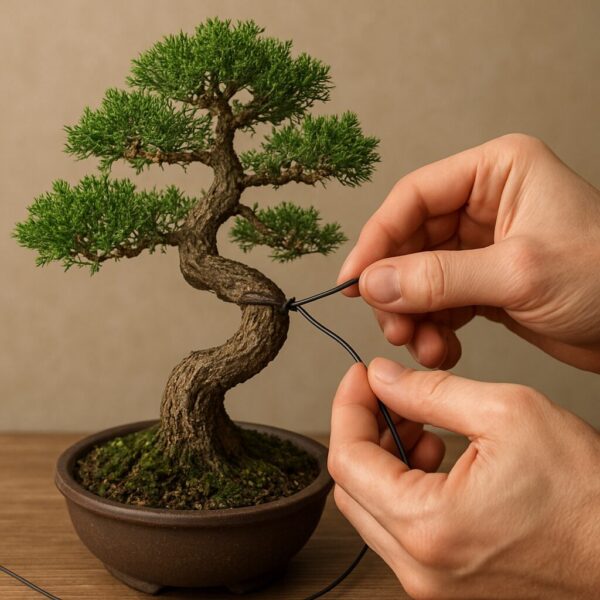
Bonsai wiring involves the art of gently wrapping wires around a tree’s branches and trunk to control their direction of growth. This practice allows the artist to create a natural-looking design while still maintaining the tree’s overall health. When done correctly, wiring encourages branches to settle into new positions, forming elegant curves and balanced proportions that enhance the bonsai’s artistic beauty over time.
Tools and Materials You Need
To practice bonsai wiring effectively, it’s essential to use the right tools and materials. Beginners usually start with aluminum wire, which is easy to bend and control, while more advanced growers may prefer copper wire, which is stronger and holds shape better. You’ll also need wire cutters, pliers, and protective materials like raffia or tape to shield delicate bark. Having these essentials ensures safer, more precise wiring.
Timing and Seasons for Wiring
Wiring bonsai at the right time makes the process smoother and healthier for the tree. The best seasons are spring and autumn, when growth is active but not overly fragile. Avoid wiring in extreme summer heat or during freezing winter, as branches are more vulnerable then. Always observe your bonsai—if branches are flexible and healthy, it’s an ideal time to apply wiring techniques carefully.
20 Best Bonsai Wiring Techniques & Tips
1. Start with young, flexible branches
Younger branches bend easily and recover quickly, making them perfect for learning. Older branches can crack or resist shaping, which is frustrating for beginners. Begin with soft growth to practice your control before attempting tougher wood.
2. Choose the right wire thickness
A good rule is using wire about one-third the thickness of the branch. This ensures it’s strong enough to hold shape without crushing or damaging the bark. Using wire that’s too thin or too thick makes wiring less effective.
3. Anchor the wire firmly
Always secure the wire at the trunk or a stable branch before moving outward. Anchoring prevents slipping and gives better control when shaping. Without a strong anchor, the wire may loosen and undo your careful work.
4. Wrap at a 45° angle
This angle is ideal for both strength and flexibility. Too steep and the wire slips; too flat and it loses holding power. A neat, even spiral at 45° also protects the bark from unnecessary pressure while allowing natural growth.
5. Wire from trunk to tip
Always begin wiring at the trunk, working your way outward. This creates consistency in shape and makes it easier to control branch movement. Wiring from tip to trunk often results in awkward bends and poor balance.
6. Wire thicker branches first
By shaping the largest branches first, you establish the tree’s basic structure. Once these are set, you can move to smaller twigs for fine adjustments. This step-by-step approach avoids confusion and builds a more balanced design.
7. Avoid crossing wires
When wires overlap, they dig into the bark and weaken the branch. Keep your wraps neat, evenly spaced, and running in a single direction. This not only protects the tree but also gives your bonsai a more professional appearance.
8. Don’t over-tighten
Wires should be firm but not digging into bark. Leave a little space for growth, as overly tight wires can scar branches permanently. A good test is to check if you can slide a thin piece of paper between wire and bark.
9. Use raffia for protection
Wrapping raffia or tape around branches before wiring protects delicate bark from cuts. This is especially useful for brittle or older branches that risk cracking under pressure. Raffia also helps distribute pressure evenly across the branch.
10. Double-wire parallel branches
When wiring two branches of similar size, use one wire to support both. This method saves time, gives balanced strength, and helps create symmetry. Double-wiring is a common professional trick to achieve harmony in bonsai structure.
11. Bend slowly and carefully
Rushing the process often leads to snapped branches. Make gentle, gradual bends, pausing if you feel resistance. Branches adapt best when shaped slowly over time, reducing stress on the tree while ensuring more natural-looking results.
12. Shape in stages
Don’t attempt extreme bends in one session. Instead, shape branches gradually over weeks or months. This approach reduces the risk of breaking branches and allows the tree to heal between adjustments, resulting in stronger, healthier growth.
13. Check wires regularly
Bonsai branches grow quickly, especially in active seasons. Wires that fit today may cut into bark tomorrow. Inspect weekly and adjust if needed. Early detection prevents permanent scars, ensuring your bonsai keeps its natural beauty.
14. Remove wires on time
Wires are usually left for 2–6 months depending on the species. Remove them before they dig into the bark. It’s safer to take them off early and reapply later than risk damaging your tree’s delicate surface.
15. Cut, don’t unwind wires
When it’s time to remove, always cut the wire with proper cutters. Unwinding often scrapes or tears bark, undoing months of progress. Cutting wires into small pieces makes removal safe and quick without harming the bonsai.
16. Use guy-wires for stubborn branches
Some branches resist shaping with standard wrapping. Guy-wires, which pull branches into position from an anchor point, offer a gentler method. They reduce pressure and prevent cracks while still achieving the desired movement.
17. Re-wire gently if needed
If branches haven’t set, you can reapply wire, but allow rest time in between. Over-wiring stresses the tree. Waiting a few weeks before reapplying ensures the branch recovers, making it more likely to hold its new shape.
18. Aim for natural symmetry
Bonsai should look like real, mature trees in miniature. Avoid forcing unnatural bends or making branches too evenly spaced. Instead, aim for organic balance. A natural-looking bonsai is always more beautiful and realistic than a forced design.
19. Study species habits
Different bonsai species react differently to wiring. Conifers are generally more flexible, while deciduous trees may need extra care. Learn the growth patterns of your tree to determine the best wiring time, technique, and aftercare.
20. Be patient
Bonsai is the art of time. Wiring won’t deliver instant results. It’s a slow, gradual process requiring observation and practice. With patience, you’ll guide your bonsai into elegant forms that reflect both nature’s beauty and your dedication.
Common Mistakes to Avoid
Many beginners make mistakes that can be avoided with awareness. Over-tightening wire is one of the most common errors, leaving deep scars that take years to heal. Using the wrong wire thickness is another mistake, as too thin wire won’t hold and too thick can crush branches. Forgetting to check wires regularly also causes serious damage. Avoiding these mistakes keeps your bonsai healthy and strong.
Aftercare for Wired Bonsai
After wiring, bonsai trees need extra care to recover. Keep your bonsai well-watered and provide balanced nutrients to support new growth. Monitor wires weekly, especially in growing seasons, since branches can thicken quickly. If you notice bark being cut, remove wires immediately. Give branches a rest period after removal before reapplying. Proper aftercare strengthens your bonsai and ensures long-lasting, beautiful shapes.
Conclusion
Mastering bonsai wiring techniques is a rewarding skill that combines patience, observation, and creativity. With the right tools, seasonal timing, and consistent practice, you’ll shape your bonsai into elegant, natural forms. Always remember that bonsai is about harmony between nature and design. Take your time, avoid common mistakes, and enjoy the journey of guiding a living tree into a miniature work of art.
FAQs on Bonsai Wiring Techniques
1. What are Bonsai Wiring Techniques?
Bonsai Wiring Techniques are methods used to shape and train bonsai trees by carefully wrapping wire around branches. These techniques allow precise control over the direction of growth, helping create beautiful, artistic forms. Proper understanding of Bonsai Wiring Techniques ensures branches develop naturally, maintaining tree health while achieving an elegant design.
2. Why are Bonsai Wiring Techniques important?
Bonsai Wiring Techniques are important because they allow you to guide branch growth and shape the tree according to your design vision. Without these techniques, branches may grow in random directions, making the bonsai look untidy. Learning Bonsai Wiring Techniques ensures a harmonious, aesthetically pleasing appearance while preserving tree health.
3. What types of wire are used in Bonsai Wiring Techniques?
In Bonsai Wiring Techniques, aluminum and copper wires are the most commonly used. Aluminum is flexible and easy for beginners, while copper is stronger and better suited for older or thicker branches. Choosing the right wire is a critical step in Bonsai Wiring Techniques to ensure proper shaping without damaging the tree.
4. How do I start learning Bonsai Wiring Techniques?
To learn Bonsai Wiring Techniques, beginners should start with small branches and younger trees. Practice wrapping wire carefully around branches, avoiding damage to the bark. Watching tutorials, reading guides, and applying Bonsai Wiring Techniques on practice trees helps build skill, confidence, and a deeper understanding of how branches respond to shaping over time.
5. Can Bonsai Wiring Techniques harm my tree?
Incorrect use of Bonsai Wiring Techniques can harm a tree by cutting into the bark or restricting natural growth. To prevent this, regularly check the wire and remove it once the branch holds its shape. Using proper methods, Bonsai Wiring Techniques can safely shape a tree while ensuring strong, healthy development.
6. When is the best time to apply Bonsai Wiring Techniques?
The best time to apply Bonsai Wiring Techniques is during the tree’s active growing season, typically spring or early summer. During this period, branches are more flexible and easier to manipulate. Applying Bonsai Wiring Techniques at the right time reduces stress on the tree and ensures branches hold their shape effectively.
7. How long should I leave the wire on the tree in Bonsai Wiring Techniques?
Wire should remain on a branch for a few months, depending on the tree’s growth rate. Regularly check to ensure it is not cutting into bark. Correct timing in Bonsai Wiring Techniques allows branches to hold their shape permanently without causing stress or permanent damage to the bonsai tree.
8. What mistakes should beginners avoid in Bonsai Wiring Techniques ?
Common mistakes in Bonsai Wiring Techniques include using wire that is too thick, wrapping too tightly, or leaving wire on for too long. Avoiding these errors prevents damage and ensures healthy branch growth. Beginners should focus on careful, gradual application of Bonsai Wiring Techniques to achieve natural and balanced tree shapes.
9. Can Bonsai Wiring Techniques be used on all types of bonsai trees?
Bonsai Wiring Techniques can be applied to most bonsai species, though delicate trees require gentler handling. Understanding each species’ growth pattern is essential for success. Using Bonsai Wiring Techniques properly ensures branches grow in the intended direction while maintaining the natural health and aesthetics of the bonsai tree.
10. How do I remove the wire safely in Bonsai Wiring Techniques?
Wire should be removed carefully with bonsai wire cutters rather than unwound to prevent damaging the bark. Proper removal is a critical step in Bonsai Wiring Techniques, as it ensures branches retain their shape without injury. Regular checks and careful handling are essential for maintaining tree health and form.
11. How often should I practice Bonsai Wiring Techniques?
Regular practice is the key to mastering Bonsai Wiring Techniques. Working on different branches and observing results allows beginners to refine their technique and improve skill. Consistent use of Bonsai Wiring Techniques develops confidence, precision, and a deeper understanding of how to shape bonsai trees effectively over time.
12. Do I need special tools for Bonsai Wiring Techniques?
Yes, bonsai pliers, wire cutters, and high-quality wire are essential tools for effective Bonsai Wiring Techniques. Using the right tools ensures precise placement, safe manipulation, and proper removal of wire. Mastering Bonsai Wiring Techniques with appropriate tools makes the process easier and reduces the risk of damaging branches.
13. How do I choose the right branch to wire in Bonsai Wiring Techniques?
Select healthy, flexible branches for wiring. Avoid old, brittle, or weak branches that may break during shaping. Choosing the right branch is a critical part of Bonsai Wiring Techniques because it ensures the branch grows in the desired direction while maintaining structural integrity and contributes to the tree’s overall balanced and natural appearance.
14. Can Bonsai Wiring Techniques help in correcting branch mistakes?
Yes, Bonsai Wiring Techniques are ideal for correcting poorly growing or misaligned branches. By carefully applying wire, you can adjust branch angles and direction gradually over time. Using Bonsai Wiring Techniques for corrections allows the tree to achieve a more elegant shape and fixes growth errors without harming the tree’s overall health.
15. Where can I learn more about Bonsai Wiring Techniques?
You can learn Bonsai Wiring Techniques through books, online tutorials, bonsai clubs, and workshops. Hands-on practice is especially helpful for mastering the techniques. Combining observation, guidance from experts, and regular use of Bonsai Wiring Techniques builds confidence and ensures effective shaping of bonsai trees for long-term success.