
Feel free to share!
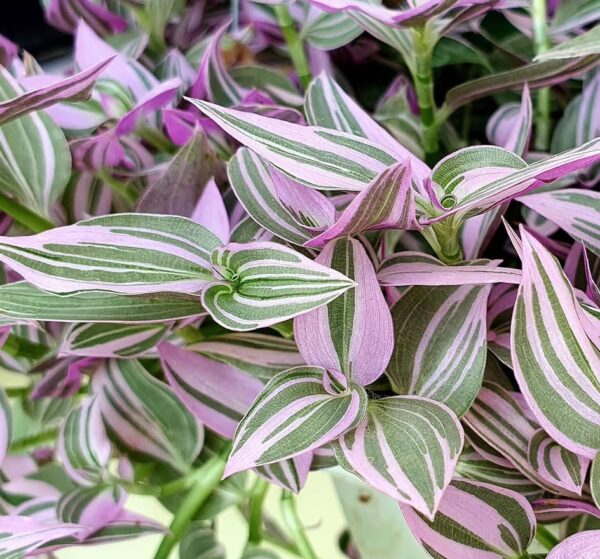
The Wandering Jew plant, scientifically known as Tradescantia zebrina, is a stunning ornamental plant cherished by houseplant enthusiasts for its vibrant purple and green leaves and trailing growth habit. Its easy propagation makes it a favorite for beginners, but many are surprised by how challenging it can be to maintain long-term health. Most new owners commit serious care mistakes that result in unhealthy plants or death. This detailed guide will reveal 19 shocking care secrets, backed by expert knowledge and practical experience, to help you avoid common pitfalls and ensure your Wandering Jew thrives in any indoor environment.
Table of Contents 👈 Tap Here
🔥 Section 1 – The Basics of Wandering Jew Plant Care
Secret #1: Ideal Light Conditions
Wandering Jew plants thrive when exposed to bright but indirect light. Placing them in direct sunlight can lead to scorched, faded leaves, while too little light causes weak, leggy growth and loss of vibrant coloration. For optimal results, position the plant near an east or west-facing window where it receives filtered light throughout the day. In rooms with insufficient natural light, use full-spectrum grow lights for about 10–14 hours daily. This controlled light ensures healthy coloration and balanced growth, especially during winter when sunlight is limited.
Secret #2: Correct Watering Frequency
Overwatering is the single biggest mistake new owners make.Before watering again, the plant wants that the top inch of soil totally dry out.
If the soil remains too wet, roots can suffocate and rot, whereas under-watering causes leaves to droop, turn brown, and dry out. Using a moisture meter or simply pressing your finger into the soil can help gauge when the plant needs water. A well-draining pot and soil mix are essential to avoid standing water. Watering frequency should also vary by season—less frequent in winter, more regular in growing seasons.
Secret #3: Proper Temperature Range
Wandering Jew plants prefer stable temperatures between 60°F and 80°F (16°C–27°C). Exposure to temperatures below 50°F (10°C) can cause serious stress, including stunted growth, leaf drop, and wilting. Avoid placing the plant near air conditioning vents, radiators, or drafty windows where temperature fluctuates unpredictably. The ideal environment offers consistency without sharp temperature shifts. These plants do best in typical indoor conditions but will struggle in outdoor climates that vary dramatically. Maintaining a warm, stable environment ensures consistent leaf color and promotes steady growth year-round.
Secret #4: Best Type of Soil to Use
Wandering Jew plants need a light, well-draining potting mix. The best soil contains a blend of quality potting soil, perlite, and coarse sand to prevent water retention. Garden or heavy soils trap moisture and compact over time, leading to poor root aeration and rot. A good mix allows water to pass through quickly while holding enough moisture for the plant to absorb. Regular repotting every 12–18 months replenishes nutrients and prevents soil compaction, helping roots remain healthy and productive.
Secret #5: Humidity Requirements You Can’t Ignore
These plants thrive in humid environments but often suffer in homes with dry air, especially in winter when heating systems lower indoor humidity. Low humidity causes brown leaf edges and dry, crispy foliage. To maintain ideal humidity, mist leaves daily, use a pebble-filled tray with water under the pot, or group multiple plants together to create a microclimate of moisture. A room humidifier also works well. Ensuring proper humidity improves leaf health, vibrant color, and prevents pest problems that arise when the plant’s defenses weaken.
⚠️ Section 2 – Common Mistakes Newbies Make
Secret #6: Why Most People Kill Their Wandering Jew Plant
Most new owners unintentionally kill their Wandering Jew by overwatering. Unlike some houseplants that tolerate wet soil, this species is sensitive and prone to root rot. Many need constant moisture, leading them beginners assume plantso water far too frequently or use non-draining pots. Without drainage holes, water pools in the soil, suffocating roots and promoting fungal diseases. The correct practice is to let the top inch of soil dry before watering again. Checking soil moisture with a moisture meter or your finger prevents this fatal error and leads to long-term plant health.
Secret #7: The Deadly Mistake of Ignoring Pest Control
Wandering Jew plants are vulnerable to pests like aphids, spider mites, and mealybugs, which hide in the leaves and stems. These insects suck sap, weakening the plant and causing yellowing, wilting, and stunted growth. Many owners neglect regular inspections, allowing infestations to spread unchecked. Check the undersides of leaves regularly for small webs, sticky residue, or white cottony patches. Early treatment with insecticidal soap, neem oil, or gentle washing prevents serious damage. Avoid chemical overuse, which stresses the plant. Timely intervention keeps your plant healthy and vibrant.
Secret #8: Fertilizer Dangers – How Much Is Too Much?
Over-fertilizing is a common issue that leads to salt buildup in the soil, causing burnt leaf tips, yellowing, and slow growth. Wandering Jew plants are light feeders. The best practice is applying a balanced liquid fertilizer diluted to half strength every 4 to 6 weeks during spring and summer. Avoid fertilizing during winter when the plant’s growth naturally slows, and the roots absorb nutrients at a reduced rate. Using too much fertilizer not only harms the plant but can permanently damage root systems. Less frequent, controlled feeding yields the best results.
Secret #9: The Wrong Pot Size That Destroys Your Plant
Choosing a pot that’s too large is a common mistake that leads to excess moisture retention and root rot. The correct approach is using a pot only slightly larger than the plant’s current root ball, with ample drainage holes. A snug fit ensures the roots don’t sit in too much soil, which holds water longer than necessary. As the plant develops, repotte it every 12 to 18 months to allow for optimum growth and soil refreshment.
This promotes strong root development and prevents stagnant water, supporting vigorous growth.
Secret #10: Misunderstanding Plant Dormancy Periods
Many plant owners panic when their Wandering Jew slows growth in winter, assuming it’s dying. In reality, the plant enters a natural dormancy phase, slowing metabolic activity due to lower light and temperature. During this time, reduce watering frequency and stop fertilizing altogether.Wait till the top soil is totally dry before watering.
Trying to force growth with extra fertilizer or excessive watering causes unnecessary stress and root damage. Understanding this natural cycle helps owners care appropriately and maintain healthy plants year-round.
🌱 Section 3 – Advanced Care Secrets for Thriving Plants
Secret #11: Pruning Tricks for Lush Growth
Regular pruning prevents legginess and encourages a bushier, fuller plant. Long, trailing stems tend to grow sparse without trimming. Trim back stems just above a leaf node using clean, sharp scissors, which promotes new growth at multiple points. Also, remove yellowing or dead leaves promptly to keep the plant looking healthy and attractive. Pruning encourages even light exposure to all parts of the plant, preventing shaded areas from stagnating and promoting uniform growth. With regular attention, the plant remains vibrant and visually striking.
Secret #12: Propagation Hacks to Multiply Your Plants
Propagating Wandering Jew plants is simple and effective. Take healthy stem cuttings about 4–6 inches long, making sure they have several nodes. Place them in a glass of clean water or moist soil and they will begin rooting within a week or two. Propagation serves a dual purpose: rejuvenating aging plants and creating new ones for free. It’s an ideal solution for sharing with friends or expanding your home garden. The process requires minimal equipment, making it perfect for beginners and experienced growers alike.
Secret #13: Dealing With Leaf Discoloration Effectively
Leaf discoloration, such as yellowing or brown edges, is often a sign of light imbalance, watering problems, or pest damage. If leaves lose their vibrant color or develop spots, check the plant’s light exposure first. Too much direct light bleaches colors, while too little leaves leaves pale and lifeless. Inspect the roots for rot and look for small insects under leaves. Adjust watering, increase humidity, or relocate the plant to a brighter spot. A balanced fertilizer during the growing season will also help restore healthy, vibrant leaves.
Secret #14: How to Prevent Root Rot Like a Pro
Root rot happens when roots stay in wet soil for an extended period of time
This common problem leads to mushy, blackened roots that cannot support the plant. Always use a well-draining pot with holes and a proper soil mix (including perlite or sand) to help excess water escape.Don’t water until the top inch of soil has dried out.
If root rot is detected, remove the plant from the pot, trim affected roots with sterilized scissors, and repot it in fresh, dry soil. Proper drainage is critical to prevent this issue.
Secret #15: The Secret Role of Air Circulation
Good air circulation prevents fungal infections and promotes healthier foliage. Stagnant air encourages mold, mildew, and fungal leaf spots. Avoid crowding plants together or placing them in tight corners with little airflow. A small fan can help maintain gentle air movement, especially in humid homes. Proper ventilation helps leaves dry more quickly after misting, reducing the risk of mold or fungus. In addition, consistent airflow strengthens stems and promotes vigorous growth by reducing humidity buildup on leaf surfaces.
🌸 Section 4 – Lesser-Known Secrets
Secret #16: Seasonal Care Changes You Should Know
Wandering Jew plants require seasonal adjustments in care. In colder months, growth slows naturally, so reduce watering and completely stop fertilizing. In spring and summer, increase both watering and fertilization as the plant enters an active growth phase. Ignoring these seasonal changes leads to overwatering during dormancy or underfeeding during peak growth periods, stressing the plant. Proper adjustment ensures consistent health year-round.
Secret #17: How to Handle Sudden Wilting
Wilting doesn’t always indicate dehydration. It could point to root rot, pest infestation, or sudden temperature changes. Check soil moisture first.Root rot is likely if roots are mushy or have an unpleasant odour.
Look for pests on leaf undersides and stems. Remove infected areas immediately. In many cases, adjusting watering habits, repotting, or treating pests saves the plant. Rapid action prevents permanent damage and helps the plant recover.
Secret #18: The Role of Natural Light vs Artificial Light
Natural light is ideal for growth, but not always available indoors. Full-spectrum grow lights replicate sunlight’s spectrum and are excellent for maintaining color vibrancy. They’re particularly useful in winter when daylight hours are short. Position lights 12 inches from the plant for 10–14 hours daily. This steady light source prevents legginess, maintains color, and ensures photosynthesis continues year-round.
Secret #19: Why Some Wandering Jew Varieties Are Harder to Care For
Not all varieties are equally easy to care for. Variegated varieties, with striped or multi-colored leaves, need more light to maintain their appearance. The plant becomes drab and green as the variegation disappears due to insufficient light.Solid green varieties are more forgiving and thrive in moderate light. Beginners should opt for hardy green varieties unless they can provide ideal light conditions.
✅ Conclusion
Owning a Wandering Jew plant is rewarding, but it comes with challenges that many new owners don’t anticipate. With these 19 shocking care secrets, you’ll avoid common pitfalls, learn how to maintain proper watering, lighting, humidity, and propagation, and keep your plant vibrant and healthy for years. Don’t buy a Wandering Jew plant until you’re fully prepared. This comprehensive guide is backed by expert knowledge and real experience, designed to help you succeed. Share this post to help other plant lovers care better and prevent costly mistakes.
🌟 Expert Tip
For optimal results, always use distilled water or rainwater when watering your Wandering Jew. Tap water contains minerals like chlorine and fluoride that can build up in the soil, leading to brown leaf edges and poor growth over time. Distilled or rainwater keeps the plant healthy, with vibrant colors and no chemical buildup.