
Feel free to share!
Table of Contents 👈 Tap Here
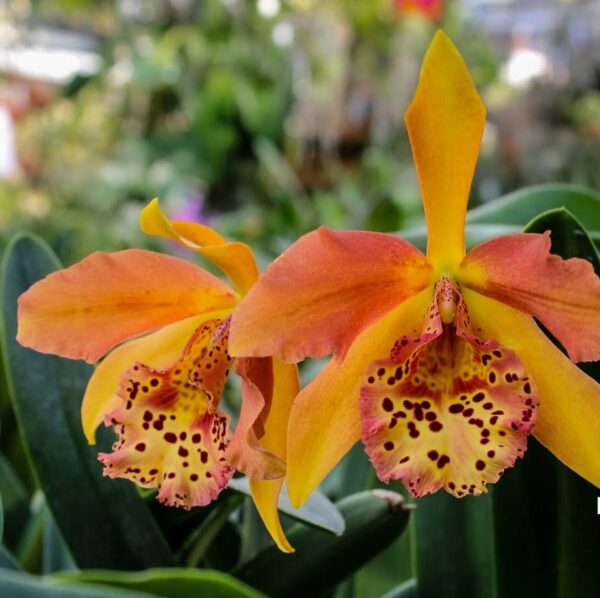
Cattleya orchids, often called the “Queen of Orchids,” are treasured for their spectacular, ruffled blooms and enchanting fragrance. Native to the lush forests of Central and South America, these tropical plants have become a centerpiece in orchid collections worldwide. Their vivid colors, elegant shapes, and long-lasting flowers make them one of the most admired species among plant lovers.
Growing Cattleya orchids successfully is both an art and a science. With the right combination of light, temperature, watering, and nutrients, these stunning orchids can reward you with abundant blooms year after year. Whether you’re a beginner or an experienced grower, this guide reveals 20 of the best secrets to help your Cattleya orchids thrive and bloom endlessly.
cattleya orchid care
1. Choose the Right Cattleya Variety
Not all Cattleyas are created equal. Choosing the right variety is the first step toward success. For beginners, hybrid varieties like Cattleya mossiae and Cattleya labiata are ideal because they’re resilient and easy to care for. Each type offers unique colors and bloom patterns, allowing you to find one that perfectly fits your growing environment.
2. Understand Light Requirements
Light plays a critical role in blooming. Your Cattleya orchid needs bright, indirect light—too little light prevents flowering, while too much can scorch the leaves. An east-facing window or filtered sunlight through a curtain is perfect. If leaves appear dark green, your plant needs more light; yellowish leaves signal excessive exposure.
3. Perfect Temperature Control
Cattleya orchids thrive when you mimic their natural tropical environment. Keep daytime temperatures between 65–85°F (18–29°C) and slightly cooler at night, around 55–65°F (13–18°C). A gentle temperature drop at night encourages flower spike formation. Avoid placing your orchid near vents, heaters, or drafty windows, as sudden temperature changes can cause stress.
4. Master Humidity Levels
Humidity is vital for healthy growth and blooms. Cattleyas prefer 40–70% humidity, similar to their native rainforest habitat. In dry environments, use a humidifier or a tray filled with pebbles and water to maintain ideal moisture. Proper air circulation is also essential—fresh air helps prevent fungal growth and keeps your orchid strong.
5. Water Wisely
One of the biggest mistakes orchid owners make is overwatering. Water your Cattleya orchid every 7–10 days during the growing season and less frequently in winter. Always allow the potting mix to dry slightly between waterings. Avoid letting water sit at the base, as this leads to root rot—a common issue that can harm your plant.
6. Use the Right Potting Mix
Cattleya orchids thrive in a well-draining mix that keeps roots aerated. A combination of bark, sphagnum moss, and perlite works best. This mix mimics their natural growing conditions and prevents excess moisture buildup. Replace the medium every year or two, as old bark decomposes and restricts airflow to the roots.
7. Repot Regularly
Repotting ensures your orchid remains healthy and productive. Ideally, repot your Cattleya every 1–2 years, especially when roots outgrow the pot or the medium breaks down. Gently remove the plant, trim any dead roots, and place it in fresh mix. Repot after blooming, allowing your orchid to settle before producing new growth.
8. Feed for Flowers
Nutrients fuel your orchid’s blooming cycle. Use a balanced orchid fertilizer (20-20-20) every 2–4 weeks during the growing season. To prevent scorching the roots, dilute it to half its strength. Before the blooming season, switch to a high-phosphorus formula to encourage strong flower spikes and vibrant blooms that last longer.
9. Encourage Rest Periods
After blooming, your Cattleya orchid needs time to rest. Reduce watering and feeding slightly during this period. The rest phase allows the plant to store energy for its next bloom cycle. Once new pseudobulbs appear, resume your regular care routine. This natural rhythm ensures consistent blooming year after year.
10. Provide Good Air Circulation
Good airflow prevents fungal infections and encourages robust root growth. Cattleyas appreciate a gentle breeze that keeps their leaves dry. Use a small oscillating fan near your orchid or open a window to promote air movement. Healthy airflow also prevents pests like spider mites from settling on your plants.
11. Prune Dead Parts
Regular pruning keeps your orchid clean and disease-free. Remove any dead leaves, dried flower spikes, or yellowed parts using sterilized scissors. This not only improves airflow but also directs your orchid’s energy toward new growth. Always sterilize your tools before and after trimming to prevent spreading bacteria or fungi.
12. Watch for Pests
Mealybugs, spider mites, and aphids are common pests of orchids.Inspect your Cattleya weekly, especially under leaves and around roots. If you notice any pests, wipe the plant gently with a soft cloth dipped in neem oil or use an insecticidal soap. Consistent pest control ensures your orchid remains healthy and vibrant.
13. Manage Root Health
Healthy roots are the foundation of a thriving Cattleya orchid. Roots should be firm, white, and slightly green when wet. If they appear brown or mushy, cut the damaged parts with sterilized scissors and adjust your watering habits. Proper drainage and aeration are key to maintaining strong, healthy root systems.
14. Provide Seasonal Care Adjustments
Your orchid’s needs change throughout the year. During spring and summer, increase watering and feeding to support growth. In autumn and winter, reduce both to allow rest. These seasonal adjustments replicate your orchid’s natural habitat and prepare it for the next bloom cycle. Consistency is crucial for success.
15. Train Your Orchid’s Growth Direction
Rotate your orchid pot occasionally to ensure even light exposure. This prevents leaning and promotes uniform growth. Supporting flower spikes with stakes can help prevent breakage as blooms develop. A well-balanced plant is both healthier and more attractive when in full bloom.
16. Create Bloom Triggers
To stimulate blooming, lower the night temperature by about 10°F (5°C) and increase light exposure slightly. This shift mimics the seasonal changes that trigger flowering in nature. Pair this with reduced nitrogen feeding before bloom time to encourage bud formation rather than leafy growth.
17. Keep a Consistent Routine
Cattleyas dislike sudden changes. Maintain a steady watering, feeding, and lighting routine. Avoid moving your orchid frequently, as changes in location can delay blooming. A consistent care pattern helps the plant establish a natural rhythm that promotes frequent and healthy flowering.
18. Use Quality Water
Use rainwater or distilled water whenever possible. Tap water often contains salts and chemicals that can damage orchid roots over time. If you must use tap water, let it sit overnight to dissipate chlorine. Clean, mineral-free water encourages strong root systems and healthier blooms.
19. Propagate New Cattleyas
Propagation is a rewarding way to expand your collection. Divide your orchid when it has at least four healthy pseudobulbs. Cut the rhizome with a sterilized knife and plant each division in a new pot with fresh mix. With care and patience, new plants will develop and eventually bloom.
20. Be Patient and Persistent
A Cattleya orchid needs commitment and patience to care for. Some varieties take a year or more to bloom, but the results are worth the wait. Patience, consistent care, and observation are the true “secrets” behind endless blooms. With practice, your orchid will reward you with breathtaking flowers season after season.
🌿 Conclusion
Cattleya orchids are living masterpieces that bring beauty and elegance into any home. By following these 20 best secrets, you’ll cultivate not just a plant but a thriving symbol of patience and care. Remember, every bloom is a reward for your dedication—nurture your orchid, and it will continue to enchant you for years to come.
FAQS
1. What is the best way to start with cattleya orchid care?
The best way to begin cattleya orchid care is by understanding their natural habitat. These orchids thrive in bright, indirect sunlight and need good airflow. Proper watering and humidity management are crucial. With consistent attention, cattleya orchid care ensures healthy plants that reward you with vibrant, long-lasting blooms.
2. How much sunlight do Cattleyas need for proper cattleya orchid care?
Sunlight is essential in cattleya orchid care. These orchids prefer bright but filtered light, ideally near an east-facing window. Too little light prevents blooming, while too much can scorch the leaves. Balanced lighting helps maintain healthy foliage and supports regular flowering, an important part of successful cattleya orchid care.
3. What kind of potting mix works best for cattleya orchid care?
A well-draining mix is vital for cattleya orchid care. Use bark, perlite, and charcoal to allow air circulation around the roots. Avoid heavy soil because Cattleyas dislike waterlogged conditions. Repot every two years to refresh the mix—this small step can greatly improve long-term cattleya orchid care results.
4. How often should I water my Cattleyas for effective cattleya orchid care?
Proper watering is key in cattleya orchid care. Water once the potting mix feels dry but not completely parched. Overwatering leads to root rot, while underwatering causes shriveled bulbs. Finding that balance is the secret to successful cattleya orchid care, keeping roots strong and blooms vibrant all year.
5. What temperature range is ideal for cattleya orchid care?
Temperature plays a crucial role in cattleya orchid care. These orchids thrive in warm days (70–85°F) and cooler nights (55–60°F). Maintaining this difference encourages blooming. Consistent temperature control ensures strong growth and is one of the most important aspects of proper cattleya orchid care at home.
6. How can I make my Cattleyas bloom again with proper cattleya orchid care?
Reblooming depends on steady cattleya orchid care. Provide bright light, balanced fertilizer, and proper rest after flowering. Avoid moving the plant too often. When roots and bulbs mature, new flower spikes will appear. With patience and consistent cattleya orchid care, you’ll enjoy multiple bloom cycles yearly.
7. What humidity level supports healthy cattleya orchid care?
Humidity between 50%–70% is ideal for cattleya orchid care. Too little humidity dries out the leaves, while too much promotes fungus. Use a humidifier or place a pebble tray nearby. Balanced humidity, along with airflow, keeps your Cattleyas happy and thriving—an essential part of successful cattleya orchid care.
8. What fertilizer should I use for cattleya orchid care?
During active growth, cattleya orchid care requires balanced fertilizer—preferably a 20-20-20 formula diluted weekly. Feed less during dormancy to avoid root burn. Proper feeding enhances blooming and foliage strength. Consistent nutrition management makes a big difference in long-term cattleya orchid care results for healthy, showy orchids.
9. How can I prevent pests in cattleya orchid care?
Pest control is vital for healthy cattleya orchid care. Inspect leaves and roots regularly for aphids, mites, or mealybugs. Wipe the plant with neem oil or insecticidal soap when pests appear. Clean surroundings reduce infestations, ensuring your cattleya orchid care routine stays smooth and your plants remain stunning.
10. Can I grow Cattleyas indoors with proper cattleya orchid care?
Yes, you can grow them indoors with proper cattleya orchid care. Place the plant near a bright window with good airflow and maintain humidity levels. Using grow lights helps if sunlight is limited. With a dedicated cattleya orchid care routine, you can enjoy lush blooms even inside your home.