
Feel free to share!
Table of Contents 👈 Tap Here
Orchid Problems often discourage many plant owners, but they’re actually quite common and easy to solve with the right care. Orchids are delicate yet resilient plants that can bounce back from most issues when properly treated. From drooping leaves to stubborn pests, understanding the main causes behind orchid problems helps you take quick action and restore your plant’s health.
Caring for orchids is an art that blends patience and knowledge. Most orchid problems arise from incorrect watering, insufficient light, or improper humidity levels. By learning how to balance these factors, you can prevent future damage and enjoy a thriving, colorful orchid display year-round. With a little attention, your orchids can bloom beautifully and stay strong for years.
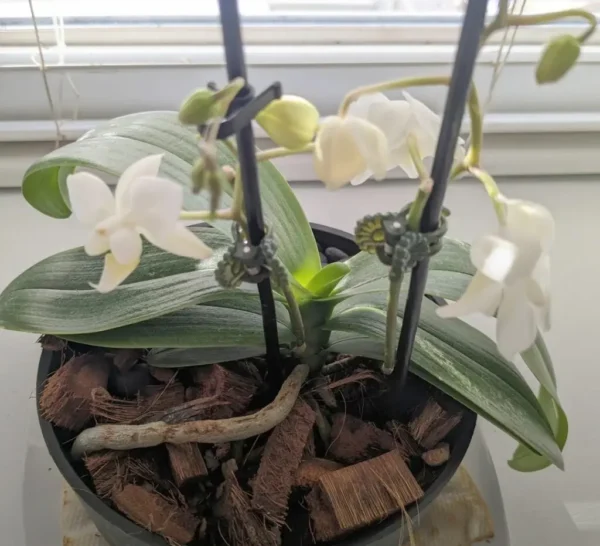
🌼 1. Provide Essential Nutrients That Support Flowering
Problem: Orchids that don’t bloom often suffer from nutrient deficiencies or irregular feeding schedules.
Solution: Use a balanced orchid fertilizer with higher phosphorus to promote flowering. Feed every two weeks at half strength, ensuring roots are moist before application. Consistent nutrition encourages stronger spikes and brighter, longer-lasting blooms.
💧 2. Wilting
Problem: Wilting leaves are a sign of water imbalance — either overwatering or underwatering. Both conditions cause stress and weak roots.
Solution: For overwatering, reduce watering and ensure proper drainage. For underwatering, soak roots in room-temperature water for 10–15 minutes. Maintain a consistent watering routine and allow the medium to dry slightly between sessions.
☀️ 3. Leggy Growth
Problem: Orchids become leggy when they don’t receive enough light, leading to long, weak stems with fewer leaves.
Solution: Move the orchid to a location with bright, indirect sunlight such as an east-facing window. Consistent exposure to filtered light helps the plant grow compact, sturdy, and well-balanced without stretching toward the light source.
🍃 4. Leaf Drop
Problem: Sudden leaf drop can occur when orchids face abrupt changes in temperature, humidity, or lighting.
Solution: Keep conditions stable and avoid drafts or direct heat. Maintain humidity levels between 50–70% and consistent temperature around 18–28°C. Balanced care helps retain healthy leaves and prevent stress-related leaf shedding.
🌫️ 5. Low Humidity
Problem: Dry indoor air causes leaves to curl or wrinkle, depriving orchids of necessary moisture.
Solution: Increase humidity by using a pebble tray, humidifier, or grouping orchids together. Light misting in the morning replicates tropical conditions, keeping the leaves hydrated and preventing dehydration-related stress.
🌱 6. Old Potting Medium
Problem: Over time, the potting medium decomposes, suffocating roots and reducing nutrient absorption.
Solution: Repot every 1–2 years using fresh orchid bark or sphagnum moss. Remove rotted roots carefully and choose pots with proper drainage. Fresh medium allows roots to breathe and supports healthy, long-term growth.
🪴 7. Poor Air Circulation
Problem: Stagnant air increases the risk of mold, fungus, and pest buildup around your orchid.
Solution: Place orchids in well-ventilated spaces or use a gentle fan nearby. Proper airflow helps leaves dry faster after watering, reducing fungal growth and promoting a cleaner, healthier environment for your plants.
🌸 8. Root Rot
Problem: Root rot develops when orchids sit in soggy soil for too long, turning roots brown and mushy.
Solution: Remove the plant, trim off infected roots, and repot with a fresh, airy mix. Always ensure drainage holes are open. Allow the medium to dry slightly between waterings to prevent recurring root rot issues.
🌤️ 9. Sunburned Leaves
Problem: Excessive direct sunlight causes yellow or brown patches on orchid leaves, leading to burns.
Solution: Move the orchid to bright but filtered light. Use sheer curtains or reposition the plant to avoid harsh rays. Consistent light adjustment ensures even coloring and prevents further sun damage.
🌿 10. Pest Infestation
Problem: Mealybugs, aphids, or spider mites can weaken orchids by feeding on sap and spreading infection.
Solution: Wipe leaves with neem oil or insecticidal soap weekly. Isolate infected plants and remove pests using a soft cloth or brush. Consistent monitoring helps maintain a pest-free environment.
💦 11. Incorrect Watering
Problem: Overwatering suffocates roots, while underwatering causes dehydration and leaf loss.
Solution: Water orchids in the morning using rainwater or filtered water. Let the potting mix dry slightly before rewatering. A steady routine encourages healthy root activity and prevents water-related stress.
🌾 12. Weak Flower Spikes
Problem: Heavy blooms can bend or break weak flower spikes, especially in larger orchids.
Solution: Support growing spikes with stakes or clips. Turn the plant occasionally for even light exposure. Proper support ensures upright, healthy spikes that can carry beautiful flowers without drooping.
🌼 13. No Rest Period
Problem: Without a rest phase, orchids struggle to rebloom and lose energy.
Solution: After flowering, trim spikes above a node and reduce watering for 4–6 weeks. Resume fertilizing gradually once new growth appears. This natural cycle restores vitality and encourages new blooms.
🌡️ 14. Temperature Fluctuations
Problem: Frequent temperature changes cause bud drop and growth delays.
Solution: Keep daytime temperatures between 24–28°C and nighttime between 18–22°C. Avoid placing orchids near heaters or cool drafts. Consistent warmth ensures steady growth and stronger blooming.
🌺 15. Yellowing Leaves
Problem: Yellow leaves signal nutrient deficiency, overwatering, or aging foliage.
Solution: Trim off old leaves using sterilized scissors. Adjust watering, increase indirect light, and fertilize regularly with a balanced orchid feed. This promotes new green foliage and maintains overall plant health.
🧪 16. Wrong Potting Mix
Problem: Using regular soil blocks air and traps too much moisture, harming roots.
Solution: Always use an orchid-specific mix with bark, perlite, or moss for proper aeration and drainage. This keeps roots healthy and allows essential gas exchange for steady growth.
🌷 17. Overcrowding
Problem: Overcrowded orchids compete for light and air, leading to disease and stunted growth.
Solution: Provide adequate spacing between plants. Each orchid should have airflow on all sides. This reduces humidity buildup and keeps each plant thriving independently.
🕷️ 18. Fungal or Bacterial Spots
Problem: Dark leaf spots often indicate fungal or bacterial infections from excess moisture.
Solution: Remove infected leaves immediately and apply natural remedies like cinnamon powder or a mild fungicide. Improve air circulation and avoid overhead watering to keep foliage dry.
🌸 19. Failure to Rebloom
Problem: Orchids may stop blooming due to low light or inconsistent care routines.
Solution: Trim flower spikes above a node, provide bright indirect light, and lower nighttime temperature slightly. Consistent care and a mild temperature drop stimulate new buds and reblooming.
🌻 20. Inconsistent Care
Problem: Irregular watering, lighting, and feeding confuse orchids, stunting their growth.
Solution: Create a simple care schedule. Record watering, feeding, and repotting dates. Consistency helps orchids adjust to their environment, ensuring steady growth and repeated blooming cycles.
🌿 Final Thought
By understanding these 20 best orchid problems and their solutions, you’ll keep your orchids blooming beautifully all year. Consistent care, patience, and small adjustments make a big difference. Treat your orchids with attention and they’ll reward you with lasting beauty and vibrant, healthy flowers.
FAQS
1. What are the most common Orchid Problems gardeners face?
The most common Orchid Problems include yellowing leaves, root rot, wilting, and poor blooming. These Orchid Problems often arise due to overwatering, insufficient light, or poor airflow. Regularly inspecting your plant and providing proper care can prevent these Orchid Problems before they cause serious damage to your orchids.
2. How can I identify Orchid Problems early?
You can identify Orchid Problems early by observing changes in leaf color, root texture, and flower health. Most Orchid Problems start subtly, such as dull leaves or soft roots. Regularly checking your orchid’s condition helps catch these Orchid Problems before they worsen, ensuring your plant stays vibrant and strong.
3. Why do Orchid Problems occur after repotting?
Many Orchid Problems appear after repotting due to root damage, poor drainage, or using the wrong potting mix. These Orchid Problems can stress the plant, leading to drooping leaves or delayed blooming. Always use a well-draining orchid medium and handle roots carefully to avoid creating new Orchid Problems during repotting.
4. Can watering habits cause Orchid Problems?
Yes, watering habits are one of the main causes of Orchid Problems. Overwatering leads to root rot, while underwatering results in shriveled roots and weak growth. To prevent Orchid Problems, water only when the medium feels dry and ensure proper drainage. Consistent moisture control reduces the risk of major Orchid Problems.
5. What light conditions help prevent Orchid Problems?
Proper lighting helps prevent most Orchid Problems. Orchids need bright, indirect light to thrive. Too much direct sunlight can burn leaves, while too little causes weak, pale growth. Adjusting light exposure balances photosynthesis, reducing Orchid Problems and encouraging healthy blooms. Always place your orchid near filtered natural light to avoid stress-related Orchid Problems.
6. How do pests contribute to Orchid Problems?
Pests like aphids, mealybugs, and spider mites cause serious Orchid Problems by feeding on sap and spreading disease. These Orchid Problems weaken leaves and stunt flower growth. Regularly inspecting leaves and using mild insecticidal soap helps control pests. Early pest management prevents Orchid Problems from spreading to healthy plants.
7. Can temperature changes trigger Orchid Problems?
Sudden temperature changes can trigger multiple Orchid Problems. Orchids thrive in stable, moderate conditions, and extreme heat or cold can shock them. These temperature-related Orchid Problems include bud drop and yellow leaves. Keeping orchids away from drafts, air conditioners, or heaters helps maintain balance and reduces stress-related Orchids Problems effectively.
8. How can fertilizer prevent Orchids Problems?
Using the right fertilizer prevents many Orchids Problems caused by nutrient deficiencies. A balanced orchid fertilizer supports root strength, leaf color, and blooms. Overfertilizing, however, leads to salt buildup and root burn—two major Orchids Problems. Feed orchids monthly with diluted fertilizer to avoid nutrient-related Orchids Problems and keep them flourishing.
9. Are Orchids Problems reversible?
Yes, many Orchids Problems are reversible if treated early. Identifying issues like root rot or dehydration quickly allows recovery through pruning and proper care. Consistent monitoring and correct watering habits restore plant health. Even severe Orchids Problems can often be resolved with patience, repotting, and proper environmental adjustments to help orchids recover.
10. How do I prevent future Orchids Problems?
Preventing future Orchids Problems involves maintaining a consistent care routine—balanced watering, adequate lighting, and pest control. Always use a clean pot and proper medium to reduce fungal growth. Understanding your orchid’s needs helps eliminate most Orchids Problems. With proper attention and early intervention, you can keep your orchids healthy year-round.
11. Do humidity levels affect Orchids Problems?
Yes, humidity plays a major role in Orchids Problems. Low humidity causes dry leaves and buds, while high humidity encourages fungal infections and root rot. To avoid Orchids Problems, maintain humidity between 40–70%. Using a humidity tray or misting the leaves lightly keeps conditions balanced and prevents these moisture-related Orchids Problems effectively.
12. How can poor airflow cause Orchids Problems?
Poor airflow often leads to Orchids Problems like mold, fungus, and bacterial infections. Stagnant air traps moisture around the plant, creating the perfect environment for disease. Improving ventilation with a small fan or open window helps reduce Orchids Problems and keeps orchids fresh, preventing rot and promoting stronger, healthier leaves and flowers.
13. Why are my turning yellow — is it an Orchids Problem?
Yes, yellow leaves are one of the most common Orchids Problems. They can result from overwatering, low light, or aging leaves. To fix these Orchids Problems, check root health, adjust light exposure, and ensure your plant isn’t sitting in water. Quick action prevents these Orchids Problems from spreading to other parts of the orchid.
14. Can repotting at the wrong time cause Orchids Problems?
Repotting at the wrong time, especially during active blooming, can cause stress-related Orchids Problems. The plant may drop flowers, lose vigor, or stop growing. To avoid these Orchids Problems, repot only after flowering, using fresh orchid bark and gentle handling. Proper timing ensures roots recover faster and helps prevent transplant-related Orchids Problems altogether.
15. How does light color temperature affect Orchids Problems?
Light color temperature can influence Orchids Problems significantly. Cool white light promotes healthy growth, while warm light may cause stretching or weak stems. Inconsistent lighting creates Orchids Problems like reduced blooming and pale foliage. Using full-spectrum grow lights ensures orchids receive balanced light and helps prevent common Orchids Problems caused by poor lighting conditions.